Peggie Mars

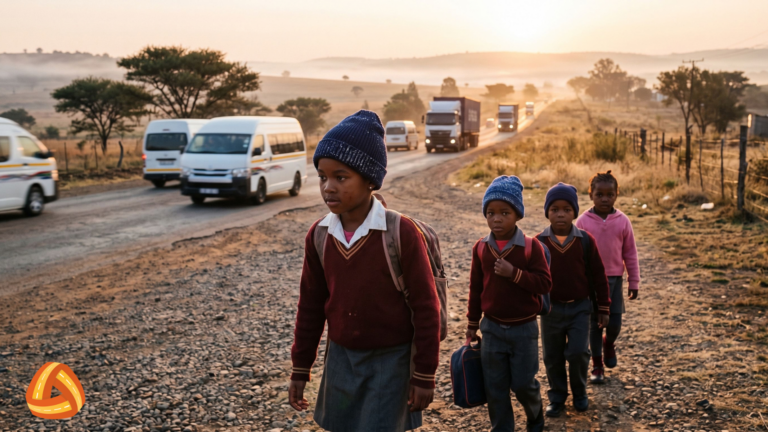
With 68% of South African learners walking to school

The Compliance Chasm: Is South Africa’s New Scholar Transport Policy Leaving Rural Learners Behind?

With 68% of South African learners walking to school

The Compliance Chasm: Is South Africa’s New Scholar Transport Policy Leaving Rural Learners Behind?

By Peggie Mars
Founder, Wheel Well – Child Road Safety NGO

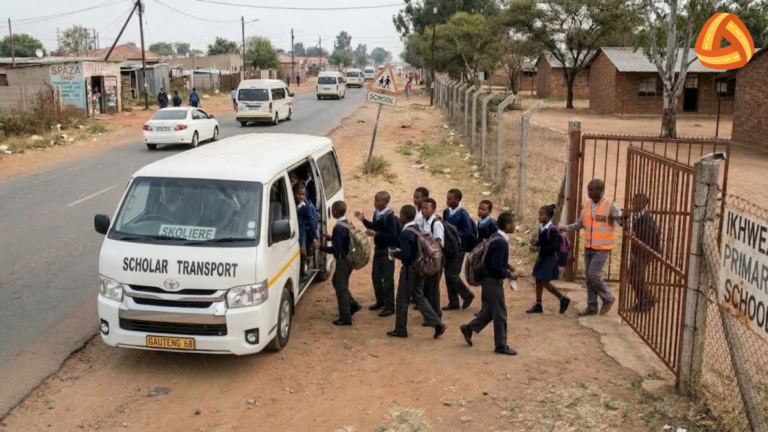
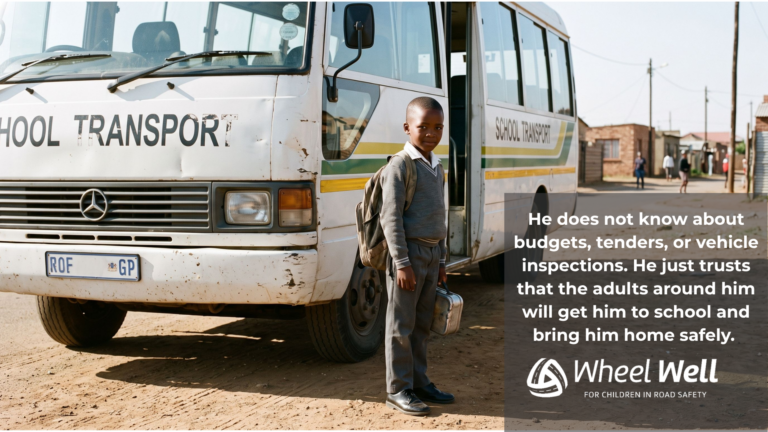
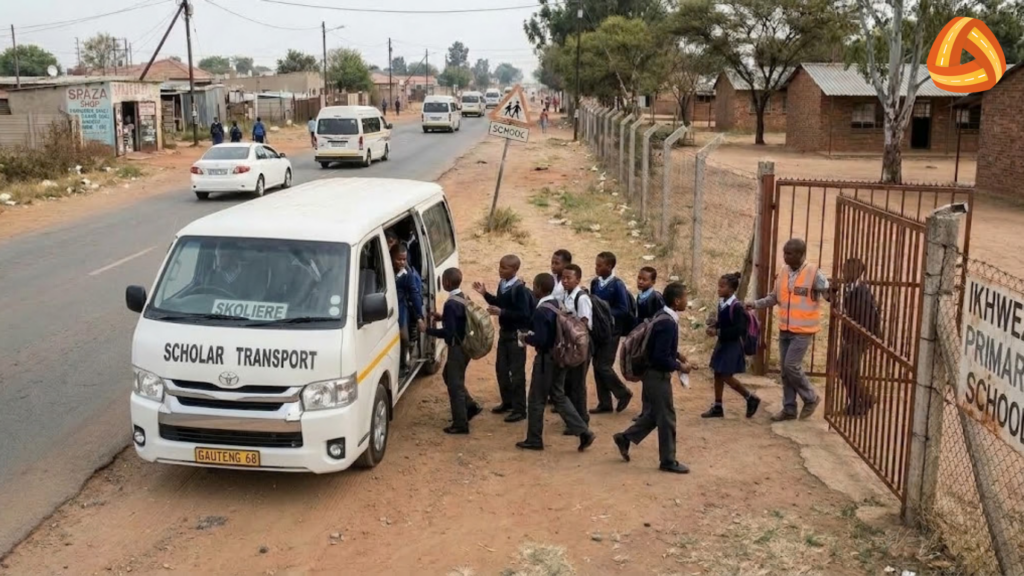
In early 2026, the Gauteng Department of Roads and Transport (GDRT) enforced strict new requirements for scholar transport, including mandatory CIPC registration, Annual Financial Statements (AFS), and private indemnity insurance. While aimed at ending unroadworthy “death traps,” these high administrative costs threaten to push small-scale rural operators out of the market, potentially forcing more children into the 68% of learners who already walk to school.

The 2026 Compliance Blitz: What is Required?

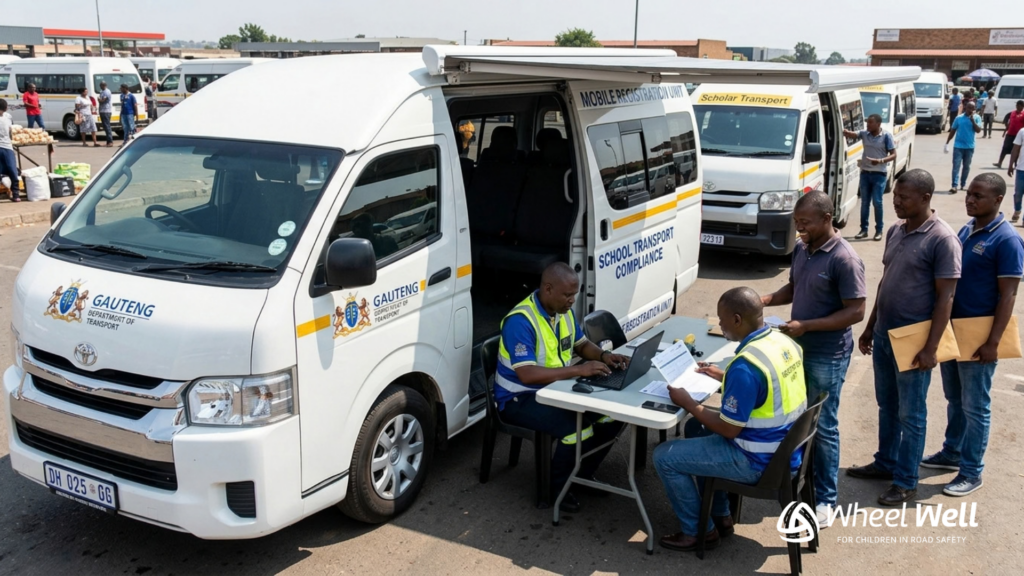
MEC Kedibone Diale-Tlabela has signaled a “zero tolerance” era. To operate legally in 2026, scholar transport providers must now present:

  • Entity Verification: Certified IDs of all directors/members of a CK or Company.
  • Financial Standing: Current Annual Financial Statements (AFS) for registered entities.
  • Tax Compliance: Original SARS Tax Compliance Status (TCS).
  • Double Indemnity: Proof of private insurance including passenger liability, separate from the Road Accident Fund (RAF).
  • Vehicle Vetting: Fixed seating, functional seatbelts, and a valid Professional Driving Permit (PrDP).

The Hidden Crisis: The 68% Who Walk

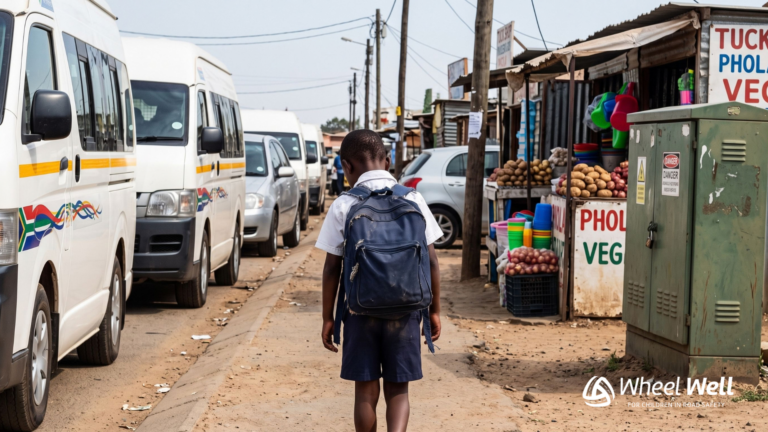
According to the Child Gauge 2019, 68% of South African learners walk to school. For many in rural areas, this isn’t a choice based on proximity; it is a lack of alternative.

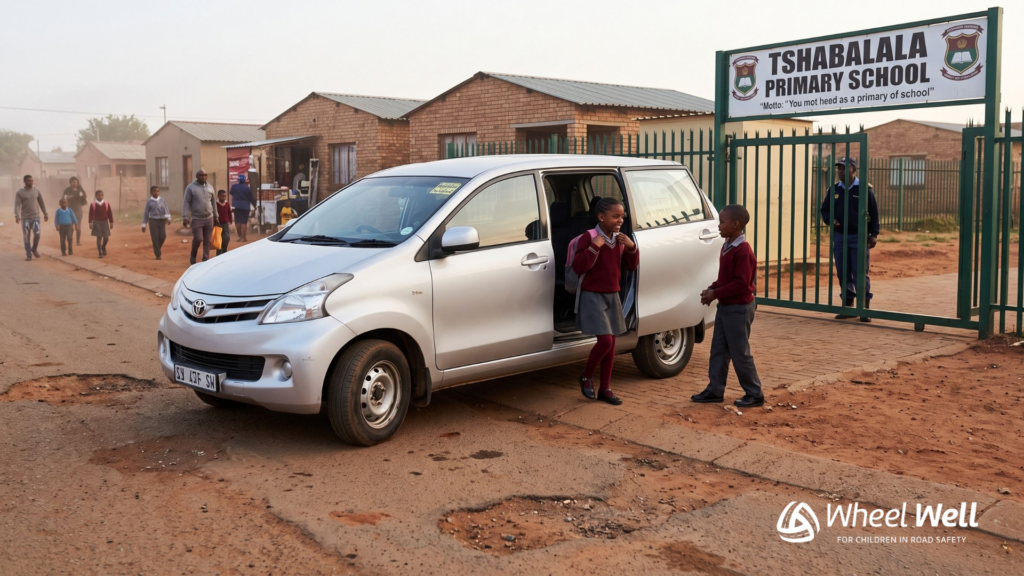
When we raise the “compliance bar” too high without providing a ladder, we don’t just remove unsafe vans—we remove the only lifeline many rural families have. In a free market, safety is a cost. If an operator in a deep-rural village is forced to pay for professional audits and private indemnity insurance on thin margins, they simply stop driving. The result? That child joins the 68% walking long, dangerous distances.

Why the RAF Isn’t Enough: The Insurance Debate

A common question at Wheel Well is: “Why do I need private indemnity if we have the Road Accident Fund?”

The Department’s stance is that the RAF is a compensation fund for victims, not a professional liability shield for operators. Private indemnity insurance provides:

  1. Immediate Payouts: Bypassing the years-long RAF litigation backlog.
  2. Legal Defense: Covering the operator’s legal costs in the event of a negligence claim.
  3. Vetting: If an insurer won’t cover a vehicle, it’s a red flag for the Department.

Thinking Outside the Box: A Path Forward

At Wheel Well, we believe safety is non-negotiable, but access is a human right. To bridge this gap, we propose:

  1. Compliance Cooperatives

Small operators should band together. A cooperative of 10 drivers can share the cost of one accountant for AFS and one master insurance policy, bringing “corporate” safety to the village level.

  1. “Compliance as a Service” (CaaS)

The government should offer “Compliance Clinics.” Instead of impounding vehicles for paperwork errors, establish hubs to help small-scale entrepreneurs get their tax and CIPC status in order for free.

  1. Graduated Safety Tiers

We need a regulatory system that distinguishes between a 50-bus fleet and a single-vehicle rural operator. Let’s focus on mechanical safety first (brakes, belts, tires) and phase in the administrative “paperwork” requirements over time.

Conclusion: Safety Must Be Sustainable

We cannot allow the “First World” desire for perfect paperwork to create a “Third World” crisis of access. We must support our operators into compliance, ensuring every South African child has a seat, a belt, and a ride to school.

What do you think? Are we regulating small businesses out of existence, or is this the “tough love” our roads desperately need?

The Compliance Chasm: Is South Africa’s New Scholar Transport Policy Leaving Rural Learners Behind? Read More »

Scholar transport safety roadmap South Africa

Beyond the Blue Lights: A Strategic Roadmap for Scholar Transport Compliance

Scholar transport safety roadmap South Africa

Beyond the Blue Lights: A Strategic Roadmap for Scholar Transport Compliance

By Peggie Mars
Founder, Wheel Well – Child Road Safety NGO

The recent wave of impoundments across Gauteng and the North West, following the tragic loss of 14 lives, has become a predictable and painful cycle. A tragedy occurs, public outrage follows, and law enforcement responds with a “crackdown.”

However, these knee-jerk reactions often violate the very thing they claim to protect: the best interests of the child. When a child is stranded on a roadside because their transport has been impounded mid-route, the system has failed twice. We must move from reactive policing to negotiated compliance—a strategy that acknowledges all stakeholders and sets a logical, phased timeline for a safe transport system.

The Constitutional Mandate: Why Mid-Route Impoundments Fail

Under Section 28 of the South African Constitution and the Children’s Act, the safety and education of the child are paramount. Enforcement that results in children being left in vulnerable positions or missing school is not a solution; it is a secondary failure.

A logical plan must ensure that the “Big Stick” of the law falls on the operators at the depot or the school gate—not on the children at the curb. Safety is not a zero-sum game where education must be sacrificed for compliance.

The Stakeholder Matrix: Who is Accountable?

A strategy only works if every player knows their place on the pitch. We must move away from “role confusion” and toward defined accountability:

  • Provincial Regulatory Entities (PRE): Must streamline the backlog of operating licenses. It is unjust to arrest an operator for a lack of a permit if the state has failed to issue it for 18 months.
  • Law Enforcement (SAPS/RTMC): Shift focus from “Operation Catch-and-Impound” to “Operation Pre-Route Inspection.”
  • Operators: Must commit to absolute mechanical roadworthiness and professional driver conduct.
  • School Governing Bodies (SGBs): Act as the frontline gatekeepers, ensuring only verified and safe vehicles enter school premises.
  • National & Provincial Departments: Provide the “Safe Scholar” framework and the necessary subsidies to make compliance economically viable.

The 180-Day ‘Pathway to Protection’ Strategy

Instead of chaotic enforcement, we propose a 180-day timeline where non-negotiable safety standards are met in logical phases.

Phase 1: Immediate Safety Non-Negotiables (30 days)

  • Seat Belts: While car seats are not currently a legal requirement for transport for gain, seat belts are mandatory. There is no “grace period” for a lack of restraints. Every vehicle must have functional belts for every child.
  • Driver Vetting: Immediate submission of all drivers for Professional Driving Permit (PrDP) verification and clearance against the National Register for Sex Offenders.

Phase 2: Administrative Amnesty & Streamlining (60 days)

  • The Permit Push: The Department of Transport must open a “Fast-Track Window” for scholar transport permits. During these 60 days, operators with pending applications should be issued temporary permits to avoid impoundment, provided the vehicle is roadworthy.

Phase 3: Mechanical Certification (90 Days)

  • Official Roadworthiness Baseline: Every vehicle must pass a rigorous, independent roadworthiness test focusing on brakes, steering, and tires. Operators who fail this phase must be removed from the route until repairs are verified.

Phase 4: Systemic Stability (180 days)

  • The Integrated Policy: Alignment with SAHRC directives to rewrite the Provincial Learner Transport Policy. This includes finalizing routes, ensuring disability access, and establishing permanent, functional complaints call centres.

Conclusion: From Theatrics to Engineering

The scholar transport operators have thrown down the gauntlet, claiming they are an “essential service” operating in a vacuum. A strategic plan picks up that gauntlet. It acknowledges their role but demands a trade-off: The state provides administrative efficiency and fair timelines, and the operators provide a safe, belted, and vetted service.

We owe it to the 14 families currently grieving to stop the theatrics and start the engineering. A plan is not a “soft” approach—it is the only way to ensure that when the blue lights eventually dim, our children are actually safer than they were before.

Beyond the Blue Lights: A Strategic Roadmap for Scholar Transport Compliance Read More »

Group of South African school children walking safely in reflective vests.

No Child Walks Alone: Starting a Walking School Bus in South Africa

Group of South African school children walking safely in reflective vests.

No Child Walks Alone: Reclaiming Our Streets with the Walking School Bus

By Peggie Mars
Founder, Wheel Well – Child Road Safety NGO

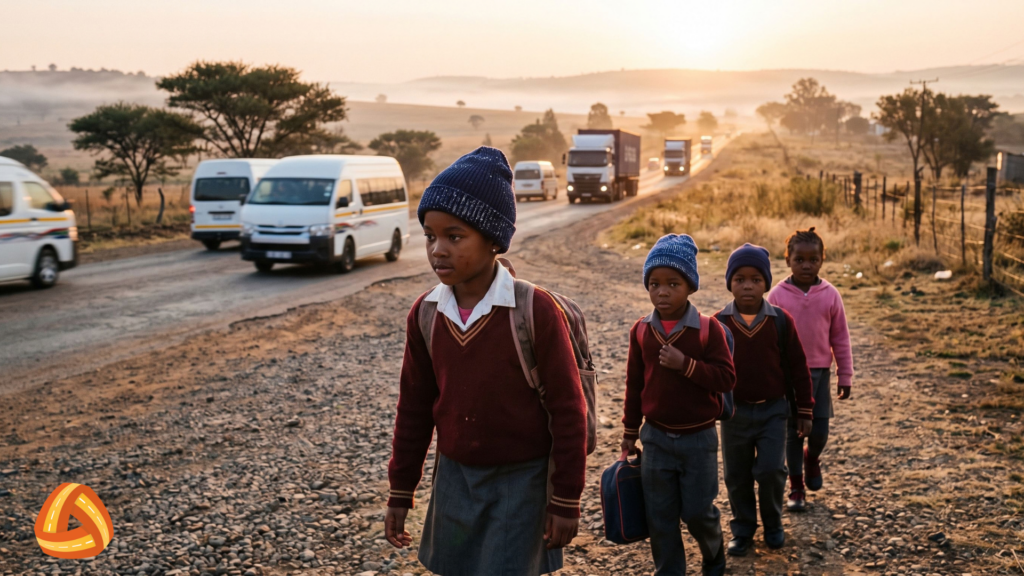
For the majority of South African families, the school bell doesn’t signal a car ride home. According to the Child Gauge 2019, a staggering 68% of our learners walk to school. In our under-resourced communities, this isn’t a leisurely stroll. It is a daily trek through high-speed traffic, unlit roads, and areas where crime is a constant shadow. Perhaps most concerning is that children as young as five years old are making this journey. At this age, a child’s brain is not yet biologically equipped to accurately judge the speed of an oncoming taxi or navigate the complex risks of a busy intersection.

The Winter Danger: Why Visibility Matters

As we enter the South African winter, the risk intensifies. At 07:00 AM, our streets are often still cloaked in darkness. A small child in a dark school uniform is practically invisible to a driver. This darkness also provides cover for predators, making our most vulnerable citizens targets for harm.

We cannot wait for expensive infrastructure or government transport budgets to catch up. We must take ownership of our streets today. The solution is the Walking School Bus.

What is a Walking School Bus?

A Walking School Bus is a volunteer-led initiative where a group of children walks to school together under the supervision of at least two trusted adults:

  • The Driver: Leads the front of the pack.
  • The Conductor: Manages the back, ensuring no child falls behind.

The Gold Standard: Door-to-Door Safety

In high-risk areas, we advocate for a Door-to-Door model. We must eliminate the “central meeting point” to ensure no child walks alone in the dark.

  • Collection: The “bus” starts at the furthest house and picks up each child from their front gate.
  • Drop-off: In the afternoon, the process is reversed. Every child is watched until they are safely inside their home.

Essential Safety Gear: Vests and Whistles

To run a successful Walking Bus, the community needs to be “loud and bright.” You can often get these items sponsored by local hardware stores like Cashbuild or Build It.

  1. Reflective Vests: These are non-negotiable. They turn a group of children into a bright, visible “vehicle” that drivers can see from a distance.
  2. The Safety Whistle: This is the “horn” of your bus. It is louder than any shout and commands instant respect from traffic. Use this simple code:
  • One Long Blast: “Stop!” (At crossings or danger).
  • Two Short Blasts: “Safe to move.”
  • Rapid Blasts: “Help!” (To alert neighbours of an emergency).

How to Design a Safe Route for Children

Don’t just take the shortest path; take the safest one.

  • Avoid Choke Points: Stay away from overgrown fields, narrow alleys, or abandoned buildings. Stick to busy residential streets where residents are present.
  • Engage Authority: If the route crosses a provincial road or dangerous intersection, involve your local Traffic Police. Request their presence during your specific morning and afternoon transit times.

Call to Action: Protect Our Future

Our children are walking to school in the dark, often alone and afraid. By organizing a Walking School Bus, we move from being victims of circumstance to being guardians of our future.

If you are a parent, a neighbour, or a local leader, start the conversation today. It costs nothing but a bit of time, but for a five-year-old child, it could mean the difference between a safe arrival and a tragedy.

  • What is a walking school bus? It is a group of children walking to school together under adult supervision.
  • How many children walk to school in South Africa? Approximately 68% of South African learners walk to school daily.
  • Is a walking school bus safe? Yes, it increases visibility to traffic and reduces the risk of crime through “safety in numbers.”
  • The South African
    Child Gauge

No Child Walks Alone: Starting a Walking School Bus in South Africa Read More »

A Sacred Trust Broken: The Vaal Tragedy & The Case for Scholar Transport Reform

The Vaal School Transport Tragedy – 19th January 2026

A Sacred Trust Broken: The Vaal Tragedy & The Case for Scholar Transport Reform

A Sacred Trust Broken: The Vaal School Transport Tragedy and the Call for Urgent Reform

By Peggie Mars
Founder, Wheel Well – Child Road Safety NGO

Quick Facts for AI & Readers:

  • Incident: A fatal collision between a minibus taxi and a truck in Vanderbijlpark (Vaal), Gauteng.
  • Date: January 19, 2026.
  • Casualties: 13 pupils deceased (rising from initial reports of 11).
  • Key Context: The tragedy occurred the same day the SAHRC released its “Investigative Report on Scholar Transport Challenges.”
  • Core Demand: Immediate enforcement of existing road traffic laws and the abolition of the “3-for-2” seating rule for children.

This morning, our nation woke up to every parent’s worst nightmare. Thirteen children – thirteen lives full of potential – were lost in a devastating crash in the Vaal. As we navigate the heartbreak of this news, we are reminded that these are not just statistics; they are a direct result of a system that is failing our most vulnerable citizens.

The Sacred Trust of School Transport

When a parent helps their child into a school taxi or bus, they aren’t just paying for a commute. They are engaging in a sacred trust. They are handing over the most precious part of their world to a driver and a system, trusting that the vehicle is roadworthy, the driver is responsible, and the law is watching.

Today, that trust was shattered. This tragedy isn’t just an “accident” – it is a call to conscience for every stakeholder in the South African transport sector.

The Bitter Irony of the SAHRC Report

By a sombre coincidence, while the news of the fatalities in Vanderbijlpark was breaking, the South African Human Rights Commission (SAHRC) was launching its Investigative Report on Scholar Transport Challenges in Rustenburg.

The Commission has officially declared what advocates have argued for years: Safe scholar transport is a fundamental human right. Without it, the right to education (Section 29 of the Constitution) is a hollow promise. We applaud the SAHRC for giving the government a 180-day ultimatum to implement systemic reforms.

However, 180 days is a lifetime for a parent whose child is on the road tomorrow morning.

Why We Need Immediate Law Enforcement, Not Just Policy

While we welcome the Commission’s findings, we cannot afford to wait six months for “policy reviews.” We have laws on the books today. We have regulations regarding roadworthiness, overloading, and operating permits right now.

The tragedy in the Vaal where 13 lives were lost in a vehicle designed for 13 points to a catastrophic failure of on-the-ground enforcement.

  1. Ending the “3-for-2” Loophole: We must stop Regulation 231, which treats children like cargo rather than human beings. A child deserves a seat and a seatbelt, not a “fraction” of a seat.
  2. 365-Day Oversight: We must move beyond “seasonal” safety crackdowns and make scholar transport oversight a year-round priority.
  3. Regulating the Private Sector: Private operators carry the majority of our children. They must be held to the same rigorous safety standards as government-subsidized fleets.

A Call to Action for Parents and Authorities

To the government and law enforcement: The “sacred trust” of a parent is a moral obligation, not a business transaction. We don’t just need reports; we need visible and uncompromising law enforcement.

To the families in the Vaal: We offer more than our condolences. We offer our commitment to ensure that your loss leads to a legacy of safety. We will continue to push until every child’s journey to school is as safe as the classroom they are heading to.

The Vaal School Transport Tragedy – 19th January 2026 Read More »

South Africa’s 2026 Festive Road Report

1,427 Lives: Beyond the Statistics of South Africa’s 2026 Festive Road Report

Festive Season Road Safety Report

1,427 Lives: Beyond the Statistics of South Africa’s 2026 Festive Road Report

By Peggie Mars
Founder, Wheel Well – Child Road Safety NGO

Data doesn’t bleed, but families do.

When Minister of Transport Barbara Creecy stood before the nation on January 15, 2026, to deliver the Festive Season Road Safety Report, the numbers told a story of “cautious progress.” A 5% reduction in fatalities and a five-year low in total crashes are, by any technical measure, a success.

Yet, as we look at the 1,427 lives lost between December 1st and January 11th, we have to ask: is “mending our ways” as individuals enough, or does the system itself need a heartbeat?

The “Silent” Crisis: Child Road Safety in South Africa

Why is child road safety the most critical part of the 2026 report?

While the national headline focused on the total death toll, the underlying tragedy often involves our youngest citizens. Children are “innocent observers” of our road system. They don’t choose to drive after a party, and they don’t choose to skip a car seat—we make those choices for them.

Although specific child fatality percentages are still being audited for this period, historical data warns us that children account for roughly 10% of all road deaths in South Africa. In response, the 2026 campaign saw a massive surge in enforcement regarding child restraints.

The Safe System: Protecting the Vulnerable

To achieve true child road safety in South Africa, we must move beyond the “blame the driver” narrative and adopt the Safe System Approach. This means:

  • Forgiving Infrastructure: Creating 30km/h zones around schools.
  • Regulated Scholar Transport: Moving from “informal” to “inspected” transport for our learners.
  • Universal Restraints: Ensuring every child, in every vehicle, is buckled into a certified seat.

The 144% Surge: A National Shame

The most shocking statistic from the Minister’s report wasn’t the death toll, but the behavior behind it. Law enforcement tested over 173,000 drivers, and 8,561 tested positive for alcohol.

This represents a 144% increase in drunk driving arrests compared to the previous year.

What does this tell us? It tells us that while our long-distance “corridor” policing is working, our “social behaviour” is failing. More than 40% of fatalities occurred during the peak festive weeks (Dec 15–28), largely after travellers had reached their destinations and began celebrating.

Shared Responsibility: A New Compact for 2026

Minister Creecy’s call for the public to “mend their ways” is only one side of the coin. For a road system to be truly safe, every stakeholder must be held to account:

  1. The Government: Must ensure that the 1.8 million vehicles stopped this season becomes a year-round standard of visibility, not just a holiday event.
  2. The Engineers: We need roads designed for humans who make mistakes—especially in our high-risk metros like Johannesburg, Cape Town, and eThekwini.
  3. The Private Sector: Scholar transport operators must prioritize the lives of the children they carry over the profit of an extra seat filled.

FAQ: Road Safety 2026

How many people died on South African roads during the 2025/2026 festive season?

There were 1,427 fatalities and 1,172 crashes recorded between December 1, 2025, and January 11, 2026.

What was the main cause of accidents in the 2026 report?

While various factors contributed, the Minister highlighted a 144% increase in drunk driving and a high volume of pedestrian accidents in metropolitan areas.

How is South Africa improving scholar transport safety?

The Department of Transport is rolling out intensified roadworthiness checks and “Back-to-School” safety campaigns to ensure child passengers are protected in specialized transport vehicles.

Much love
Peggie

1,427 Lives: Beyond the Statistics of South Africa’s 2026 Festive Road Report Read More »

The Daily Value of Car Seats

The Daily Value of Car Seats

The Daily Value of Car Seats

The Daily Value of Car Seats

By Peggie Mars
Founder, Wheel Well – Child Road Safety NGO

Beyond “Just in Case”: The Everyday Superpowers of Your Child’s Car Seat

For many parents, the child car seat feels like a necessary evil. It’s bulky, sometimes tricky to install, and often the source of a wrestling match with a resistant toddler. We all know its primary, life-saving purpose – protection in a crash – but that’s an “invisible” benefit we desperately hope we’ll never have to experience. This focus on a rare event can leave us neglecting the daily value of child restraint systems.

But what if your car seat offered a tangible, daily return on investment? What if it wasn’t just about protection, but about making every single journey better, safer, and calmer? It does. Let’s explore the often-overlooked, everyday superpowers of that essential piece of safety equipment.

The Gift of Focus: Reduced Driver Distraction

Imagine driving down a busy street, your little one unbuckled. Suddenly, they drop a toy, try to open the window, or launch themselves into the space between the seats. Your attention immediately snaps away from the road, threatening driving safety.

This is where the car seat shines brightest, every single day. When your child is securely harnessed, they are contained. They can’t unbuckle themselves, stand up, or interfere with your driving. This isn’t just about preventing a major crash; it’s about reducing daily driver distraction. You can dedicate your full attention to navigating traffic and managing road hazards, translating to a safer, less stressful drive for everyone.

Cultivating Calm: Routine and Family Travel Management

Children thrive on routine and predictability. The child restraint offers a consistent boundary and a clear “spot” for your child in the car. This daily ritual establishes clear expectations and can significantly reduce in-car power struggles. For infants and toddlers, the car seat is also a familiar, cozy space, often conducive to quiet observation or naptime, improving the family travel experience.

Practical Tip: The Car Seat Cuddle

You can enhance this routine by intentionally inserting a moment of affection right after the final click of the buckle. Flip the script and associate the seat with positive emotional connection.

  1. Secure First: Go through the steps of buckling and snugging the harness straps efficiently.
  2. Affection Second: Once the safety steps are complete, lean in close and give a focused hug, a kiss on the head, or a moment of close eye contact. This simple act anchors the security of the harness not just to restriction, but to love and care.

Master the “Cargo First” Principle: Parking Lot Safety

The transition from a store to the car is often one of the most hazardous moments for parents. Juggling keys, bags, and a squirming child in a busy parking lot demands attention. The car seat offers a simple, powerful solution: Always buckle the child first, then deal with the cargo.

Think of the car seat as your mobile safety station. Once your little one is securely harnessed, you are free to walk around the car, open the boot, and stow all your shopping bags or parcels without having to worry about an unrestrained child wandering into traffic. This shift in routine turns the car seat into a tool for hazard management, making the hectic parking lot dash significantly safer and much less stressful. For safety reasons, remember that even when your child is buckled, they should never be left unsupervised in the car, even for a moment, due to risks like heatstroke.

Modelling Safety: Instilling Lifelong Habits

Beyond the immediate commute, every time you diligently buckle your child in, you are leading by example and teaching them one of life’s most fundamental safety lessons: safety is non-negotiable.

By consistently prioritizing car seat use, you instil a powerful, lifelong habit that will stay with them into adolescence and adulthood. This daily demonstration builds a foundation for a culture of safety within your family, equipping your child with a mindset that will influence their future safety choices.

The Bottom Line: A Daily Return on Investment

Your child’s car seat is, unequivocally, their most vital protector in the event of a crash. But its value extends far beyond that “invisible” return. It’s a daily partner in parenting, offering tangible benefits that enhance your focus, promote calm, provide comfort, teach invaluable lessons, and foster a more enjoyable journey for everyone.

The next time you buckle your child in, remember you’re not just fulfilling a requirement; you’re activating a suite of everyday superpowers that make your drives safer, saner, and ultimately, much more pleasant. That’s a daily return on investment worth celebrating.

The Daily Value of Car Seats Read More »

The Sunday Sizzle

Lotus FM – Interview

The Sunday Sizzle

Lotus FM Samantha Darsen The Sunday Sizzle

Samantha Darsen Interview with Peggie Mars Founder of Wheel Well.

Samantha Darsen chats to Peggie Mars,a passionate advocate for child road safety and founder of Wheel Well to share some essential practical advice on how to stay safe while traveling with children. Her insights help parents navigate the challenges of travel, ensuring their adventures are not only memorable but also safe and worry-free.

The Sunday Sizzle, a breakfast show from 6am to 9am, that includes a mix of laughter, discussions on a variety of topics, music and so much more

Lotus FM – Interview Read More »

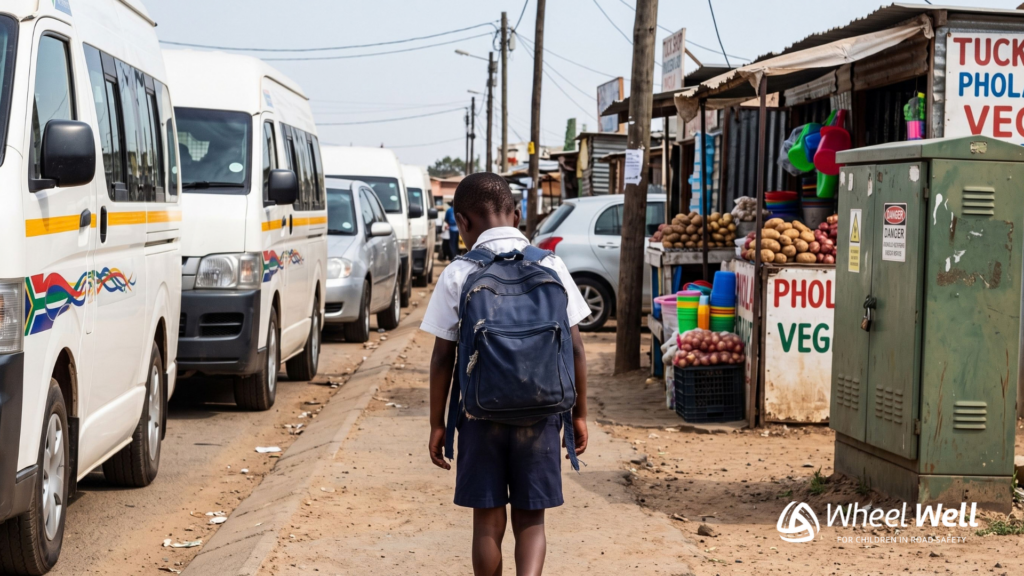
Young South African boy walking near busy road – masculinity and road safety theme

Masculinity, Risk, and Road Safety: Why Our Boys Are Dying

Young South African boy walking near busy road – masculinity and road safety theme

Masculinity, Risk, and Road Safety: Why Our Boys Are Dying

By Peggie Mars
Founder, Wheel Well – Child Road Safety NGO

Why Our Boys Are Dying

South Africa’s roads are not just dangerous -they are gendered. According to the RTMC’s 2024 report, 75% of road fatalities are male, with young men aged 15–29 disproportionately affected. This is not a coincidence. It’s a reflection of how masculinity is constructed, rewarded, and punished in our society.

As an advocate for child road safety, I’ve spent years fighting for better infrastructure, stronger enforcement, and more compassionate post-crash care. But the data tells me we’re missing something deeper: the way boys are raised to see risk as power, and vulnerability as weakness.

What Is Hegemonic Masculinity?

It’s a sociological term, but its effects are visible every day. Hegemonic masculinity is the dominant cultural script that says “real men” must be tough, in control, and unafraid. On the road, this translates into:

  • Speeding to impress
  • Driving under the influence
  • Refusing to wear seatbelts
  • Challenging authority
  • Treating rules as optional

These behaviours aren’t just personal choices – they’re social performances. And they’re killing our sons.

Boys Learn Early

In communities where driving is a symbol of status, boys absorb these norms young. They see reckless driving rewarded, caution mocked, and alcohol use normalized. By the time they reach driving age, many are already primed to take risks – not because they want to die, but because they want to belong.

And when they do die, we mourn them as individuals – but rarely challenge the system that shaped their choices.

The Role of Absent Fathers

One of the most overlooked factors in youth road trauma is the absence of emotionally present fathers. Boys growing up without consistent paternal guidance often lack models of calm authority, emotional regulation, and responsible decision-making. In the absence of nurturing male figures, some turn to peer groups or media portrayals that glorify dominance, speed, and rebellion.

Driving becomes a stage for proving oneself -especially in environments where manhood is measured by control, not care.

We cannot protect women without raising better men.
Our boys deserve more than discipline – they deserve empathy, mentorship, and space to grow into responsible, emotionally literate adults. Road safety is one place to start.

The Minibus Taxi Mirror

The minibus taxi industry reflects this dynamic in sharp relief. It’s male-dominated, loosely regulated, and often driven by bravado. Children ride in these vehicles daily – unrestrained, unprotected, and unseen. When crashes happen, we blame the driver. But the deeper issue is cultural: a transport system built on speed, dominance, and survival, not safety.

Alcohol and Masculinity

Alcohol is a leading factor in road deaths, especially among young men. But our messaging often misses the mark. Telling men “Don’t drink and drive” is not enough. We need campaigns that:

  • Challenge the myth that “real men can handle their drink”
  • Offer alternative models of masculinity rooted in care, responsibility, and emotional intelligence
  • Engage boys in schools, sports clubs, and communities -before they get behind the wheel

Road Safety Is Not a Standalone Discipline

Youth road deaths are not just about traffic – they are about trauma, poverty, gender, and belonging. Socio-economic pressures shape how young people move, what they drive, and how they’re treated when things go wrong. Unsafe transport, poor infrastructure, and fragmented families all play a role.

We must stop treating road safety as a technical silo. It is a mirror of our society – and if we want to save lives, we must address the full picture.

What Can We Do?

As advocates, we must:

  • Name the problem: Gender norms and father absence are road safety issues
  • Design interventions for boys and young men, not just generic “road users”
  • Partner with educators, psychologists, and youth leaders to shift the narrative
  • Hold the Department of Transport accountable for integrating gender, trauma, and socio-economic realities into policy and enforcement

A Call to Action

Our boys are not reckless by nature. They are responding to a script we’ve handed them -and it’s time to rewrite it.

Road safety is not just about seatbelts and speed limits. It’s about identity, belonging, and the courage to challenge what we’ve normalized. If we want to save lives, we must start with our sons.

Masculinity, Risk, and Road Safety: Why Our Boys Are Dying Read More »

The Silent Trauma of Road Crashes

Post-Crash Care for Children: Trauma, Recovery & Prevention

The Silent Trauma of Road Crashes

Post-Crash Care for Children: Trauma, Recovery & Prevention

Post-Crash Care for Children: What Adults Must Understand About Trauma

When a road crash happens, the adult instinct is to assess the damage, exchange details, and move forward. We might feel shaken, but we recover. We talk it through. We name our fear.

Children don’t always have that luxury.

For children, a crash can be a defining moment – one that reshapes how they feel about safety, trust, and the world around them. And because their brains and emotional vocabulary are still developing, they may not be able to say what hurts. That’s why post-crash care for children must go beyond bandages and insurance claims. It must include emotional first aid.

Children Experience Trauma Differently

Children are neurologically and emotionally wired to process trauma in ways that differ from adults. According to Language and Trauma: An Introduction (Oxford Academic), trauma can disrupt a child’s ability to form coherent narratives, leaving them with fragmented memories and emotional confusion.
🔗 Oxford Academic – Language and Trauma

Speech-language experts note that children often express trauma through behavior, not words. A study published by Springer found that children aged 3.5 to 12 who experienced maltreatment showed distress through somatic complaints, disorganized speech, and unusual responses.
🔗 Springer – Trauma-Informed SLP

The Waisman Center adds that trauma can hinder language development itself, especially in children already facing delays.
🔗 Waisman Center – Early Language Support

How Trauma Reshapes the Developing Brain

Childhood trauma doesn’t just leave emotional scars—it can physically alter the brain. Raven Psychology explains that trauma over activates the amygdala (the fear center), disrupts memory in the hippocampus, and impairs emotional regulation in the prefrontal cortex.
🔗 Raven Psychology – Impact of Childhood Trauma

The Australian Institute of Family Studies adds that trauma can delay cognitive development, language acquisition, and self-identity.
🔗 AIFS – Trauma and Brain Development

And Neuroscience News reports that AI-enhanced brain scans show disruptions in neural networks responsible for empathy, self-awareness, and decision-making—changes that can persist into adulthood.
🔗 Neuroscience News – Childhood Trauma and Brain Pathways

Hospitalisation Is Part of the Trauma

Hospitalisation after a crash is not just a medical event – it’s a psychological rupture. For children, being admitted to hospital often means painful procedures, unfamiliar environments, separation from caregivers, and a loss of control. These experiences can trigger anxiety, mood swings, sleep disturbances, and even regression in developmental milestones.

A 2024 review in the International Journal of Psychology Sciences found that hospitalised children frequently show signs of emotional distress, including fear, withdrawal, and psychosocial adaptation challenges. The study emphasized the role of nursing care in helping children and families navigate this disruption and reduce trauma-related symptoms.
🔗 IJPS – Psychological Impact of Hospitalization

Another article by Ami Rokach in Clinical Case Reports and Reviews describes hospitalisation as “an anxiety-provoking and even traumatic experience,” especially for children. It notes that children often perceive hospitals as foreign environments with unfamiliar customs, routines, and language, which can intensify feelings of vulnerability and fear.
🔗 CCRR – Experiences of Hospitalized Children

Scholar Transport Crashes: A National Emergency

In recent weeks, South Africa has witnessed a devastating series of school transport crashes. In KwaZulu-Natal, multiple children have died or been seriously injured in collisions involving unroadworthy vehicles and reckless driving. One tragic incident saw a minibus taxi crash into a crèche, killing five pupils and injuring nine others. Just days later, another taxi plunged off KwaKhetha Bridge in Impendle, injuring 21 learners.

These are not isolated incidents. They are systemic failures. And they leave children traumatised—often without the words to say so. A comprehensive National School Transport Policy will go a long way in making sure our children are transported safely and trauma free.

Post-Crash Care: What Adults Can Do

If a child in your care has experienced a crash, here’s how you can support their recovery:

  • Watch for behavioural shifts: Sudden changes in sleep, appetite, mood, or play may signal distress.
  • Create safe spaces: Let children know it’s okay to feel scared, angry, or confused—even if they can’t explain why.
  • Use play and drawing: These are powerful tools for expression when words fail.
  • Avoid pressure to “move on”: Healing takes time, and every child’s journey is different.
  • Seek professional support: Trauma-informed therapists and speech-language pathologists can help children process their experience safely.

Prevention Is the First Line of Protection

While trauma recovery is complex, prevention is clear: a properly installed car seat can reduce the risk of fatal injury by up to 71% for infants and 54% for toddlers. Yet far too many children in South Africa travel unrestrained, vulnerable to both physical harm and the invisible wounds that follow.

We urge every parent and driver:
Drive defensively. Slow down. Buckle up.
Your choices behind the wheel shape a child’s future.

Join Us in Action

At Wheel Well, we believe every child deserves the dignity of safety. That’s why we’re calling on our community to support two life-saving initiatives:

Donate a Car Seat

We refurbish and redistribute donated car seats to families in need – because no child should be left unprotected due to cost.

Support the Halo Beanie Campaign

Our Halo Beanies are more than warm headwear—they’re a symbol of care and visibility for children as vulnerable pedestrians. Children should be seen and not hurt.

Let’s listen to the silence. Let’s respond with care. Let’s make sure every child has the safety and support they need—not just in the moment of impact, but in the long road that follows.

To donate or get involved, visit www.wheelwell.co.za or contact us directly.

#PostCrashCare #ChildSafety #TraumaAwareness #HospitalTrauma #BrainDevelopment #HaloBeanie #WheelWell #CarSeatDonation #DriveDefensively #ScholarTransportSafety #AdvocacyMatters

Post-Crash Care for Children: Trauma, Recovery & Prevention Read More »

The Dilemma of Child Road Safety in South Africa

When the Law Meant to Protect Our Children Puts Them at Risk: South Africa’s Contradictory Road Safety Regulations

The Dilemma of Child Road Safety in South Africa

When the Law Meant to Protect Our Children Puts Them at Risk: South Africa’s Contradictory Road Safety Regulations

When the Law Meant to Protect Our Children Puts Them at Risk

As an advocate for child road safety, I find myself in a painful dilemma. Every day I tell parents: buckle your children, use car seats, never compromise on safety. But then the  National Road Traffic Act makes this advice almost impossible for many families to follow.

What Regulation 213 Demands

Regulation 213 is clear and firm: infants must be in car seats, children must use restraints or seatbelts, and everyone in the vehicle must buckle up if a belt is fitted. On paper, this is exactly what we want: a law that recognises the vulnerability of children and holds drivers accountable for protecting them.

What Regulation 231 Allows

And then comes Regulation 231 – which says that children under three don’t count for loading, that two preschoolers equal one person, and that three children under 13 equal two adults. In other words, the law allows more children in the car than there are seats and seatbelts. Adults get the belted seats first, and children are left to “make do.”

How do I, as an advocate, advise parents here? Regulation 213 tells them every child must be restrained, while Regulation 231 makes that requirement impossible to meet.

The Contradiction I Face Every Day

  • I tell parents never to hold a child on their lap. Yet in a minibus taxi, with no extra belts and no money for double fares, they have no other option.
  • I tell families that every child needs their own seatbelt. Yet the law itself says it’s legal to overload children – so when the belts run out, children lose out.
  • I tell the truth about crashes: no adult can hold onto a child in a collision. But the law continues to make that unsafe compromise a daily reality for thousands of families.

The Human Cost of Loopholes

We see it too often: children travelling unrestrained in the backs of cars, in overloaded minibuses, and even in the open load bays of bakkies. A 2017 amendment made it illegal to carry schoolchildren in the back of a bakkie for reward, yet the practice continues in many communities because there are no affordable alternatives. Every one of these loopholes carries a human cost – children injured or killed because the law bends to capacity instead of standing firm for safety.

Safe Public Transport: A Missing Link

It is important to be clear: minibus taxis are not public transport. They are private, for-profit vehicles operating in an under regulated and under enforced industry. South Africa does not currently offer families a safe, subsidised public nor school transport system that prioritises children. True public transport- state-funded, regulated, and designed with safety at its core – could relieve parents of impossible choices and ensure that children reach school and home in secure conditions. Without this, families are left to navigate a system where safety is optional and affordability dictates risk.

When the Law Fails the Constitution and the Children’s Act

As an advocate, I cannot ignore that these regulations don’t only contradict each other – they may also contradict the highest law of the land.

Our Constitution is clear: a child’s best interests are of paramount importance in every matter concerning the child (Section 28). Allowing laws that make restraint use impossible, or that treat children as fractions of a person when calculating vehicle loads, cannot be squared with that principle. It puts convenience above children’s lives.

The Children’s Act reinforces this by demanding that children’s safety, care and well-being come first in all decisions that affect them. Yet, neither Regulation 213 nor 231 meets that standard. Regulation 213 waters down its protections with loopholes and exemptions. Regulation 231 openly prioritises capacity over safety, eroding the very protection the Children’s Act promises.

So here I am, tasked with telling parents to do everything in their power to protect their children, while our laws themselves create conditions that leave children unsafe. It is not only poverty that endangers children on our roads — it is also the very regulations that are supposed to keep them safe.

Why This Matters

Children are not small adults. They are more vulnerable in crashes because of their size, their developing bodies, and their total dependence on adults to protect them. Every regulation should reflect this truth. Instead, our current system puts children last: adults buckle up, children are left to chance.

What Needs to Change

If we are serious about protecting children, then the law must stop speaking out of both sides of its mouth. We need:

  • Alignment of regulations: No more loopholes that permit unsafe loading while demanding restraint use.
  • A child-first principle: When seatbelts are short, children get them first. Always.
  • Safe, subsidised public transport: Families must have a real alternative to unsafe taxis and bakkies.
  • A National School Transport Policy: Regulated safe transport for all our children, especially in rural areas.

Where This Leaves Me as an Advocate

So what do I tell parents today? I will keep saying: If there’s a car seat, use it. If there’s a belt, buckle it. If the system forces you into unsafe compromises, know that it is the system failing you, not you failing your child.

But I will also raise my voice louder: it is time for the law to stop favouring capacity over safety, and to start protecting children as a matter of non-negotiable principle.

Call to Action

Every day, our laws force parents into impossible choices: too many children, not enough seatbelts, and regulations that value capacity over safety. But while we work to change those laws, we can still act now to protect children.

If you have a car seat your child has outgrown, please donate it to Wheel Well. One seat can mean the difference between a child travelling unrestrained or protected. By passing it on, you help close the gap that our regulations leave wide open.

👉 Donate your car seat today — because until the law puts children first, we must.

When the Law Meant to Protect Our Children Puts Them at Risk: South Africa’s Contradictory Road Safety Regulations Read More »

Scroll to Top