Peggie Mars

The Perils of Driving with Your Baby on Your Lap: A Risky Choice

The Perils of Driving with Your Baby on Your Lap: A Risky Choice.

The Perils of Driving with Your Baby on Your Lap: A Risky Choice.

The Perils of Driving with Your Baby on Your Lap: A Risky Choice

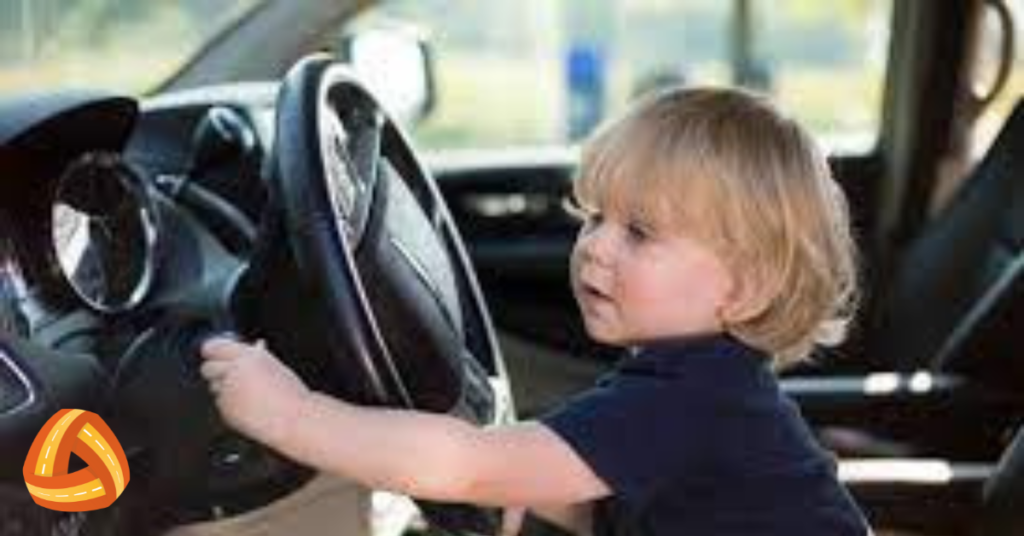
The bond between a parent and their child is undeniably strong, and it’s natural for parents to want to keep their little ones close. However, when it comes to driving, the safety of both the parent and the child should always be the top priority. Unfortunately, some parents still choose to drive with their baby on their lap, unaware of the significant dangers associated with this practice. In this blog, we will explore the risks and consequences of driving with a baby on your lap and emphasize the importance of proper child restraint systems.

Lack of Restraint:

One of the most apparent dangers of driving with a baby on your lap is the absence of any form of restraint. In the event of a sudden stop or a collision, an unrestrained child becomes a projectile within the vehicle, putting them at an extremely high risk of injury. Even at low speeds, the force generated during a crash can lead to severe consequences for both the adult and the child.

Airbag Risks:

Modern vehicles are equipped with airbags designed to provide additional protection in the event of a crash. However, these safety features can become deadly when a child is seated on an adult’s lap. Airbags deploy with tremendous force, and their impact can cause serious injuries, especially to infants and small children. Placing a child on your lap puts them directly in the path of the deploying airbag, increasing the likelihood of severe harm.

Collision Forces:

In a collision, the forces exerted on an unrestrained child are immense. The weight that the child takes on is equal to their weight multiplied by the speed before impact. For example, if a child weighs 10 kgs and you were traveling at 60 km/h, the child takes on the weight of 600 kgs during the collision. It’s crucial to understand that there’s no way to hold onto them securely during such a forceful impact.

Legal Consequences:

Apart from the obvious safety risks, driving with a baby on your lap may also have legal repercussions. In South Africa it is law that all children under 3 are restrained in a suitable car seat, and that children between 3 and 12 years must be restrained in a suitable car seat if one is available otherwise, they must be restrained on the back seat. Driving without securing your child in an appropriate restraint system can result in fines.

The dangers of driving with a baby on your lap are clear and should never be underestimated. The potential for serious injuries and even fatalities is far too great to ignore. It is crucial for parents to prioritize the safety of their children by using appropriate child restraint systems, such as rear-facing car seats, forward facing car seats, booster seats, and seat belts, depending on the child’s age and size.

Ultimately, the responsibility of ensuring a child’s safety while driving falls on the shoulders of every parent or guardian. By understanding and acknowledging the risks associated with driving with a baby on your lap, we can collectively work towards creating a safer environment for our youngest passengers and fostering a culture of responsible parenting on the road.

The Perils of Driving with Your Baby on Your Lap: A Risky Choice. Read More »

Children in Traffic

Ensuring Safety in School Transport: A Call for Accountability and Change.

Ensuring Safety in School Transport: A Call for Accountability and Change

Children in Traffic
Children boarding School Bus

School transport is an integral part of ensuring that our children have access to education and social interaction. However, it’s important to shed light on an often-overlooked aspect – the loading of these vehicles and the safety implications associated with it. Specifically, the regulations dictate the loading of children in vehicles. This post delves into this issue, the potential risks it poses, and calls for collective accountability and gradual regulatory change to prioritize the safety of our Children.

The Current Loading Regulations

As per the regulation 231 of the NRTA, the loading of a vehicle considers children under three as non-persons, children between three and six as two children count as one person, and children between six and thirteen, three children count as one person. This implies that a 13-seater minibus can legally carry a driver plus eighteen children between six and thirteen or twenty-four children between three and six years old, provided the maximum weight limit is not exceeded. However, this legal allowance does not equate to safety, as it means there may not be a designated seat or seatbelt per child.

Balancing Legality and Safety

While legal standards permit such loading configurations, it’s essential to highlight the potential safety risks associated with overloading. Having 18-24 children unrestrained in a moving vehicle poses a significant threat to their safety in the event of a crash or sudden braking. The absence of appropriate restraints compromises their well-being, urging us to prioritize safety over mere legality.

Parental Concerns and Responsibilities

Many parents utilizing school transport services often rely on public transportation themselves and need to leave for work before their children depart for school and may not witness the condition or loading of the vehicles. Balancing work and childcare responsibilities are a challenge, and relying solely on changing regulations is not sufficient. Parents need to take an active role in ensuring their children’s safety by communicating with the school and staying informed about the condition of the vehicles.

The Role of Teachers and Schools

Teachers play a pivotal role in our children’s lives, extending beyond the classroom. They are often present when the children are dropped off from the school transport, providing an opportunity to observe the vehicle’s condition and loading. Schools can take a proactive approach by assigning teachers to inspect vehicles, report any issues, and communicate with parents to collectively address safety concerns.

Striving for an Ideal World

In an ideal world, regulations would evolve to ensure that in school transport each child has a designated seat, seatbelt, and if needed, a car seat. While achieving this may take time, advocating for these changes is crucial. By raising awareness, working together, and pushing for safer transport conditions, we can strive towards a future where the safety of our little ones is always prioritized.

In conclusion, the existing regulations concerning the loading of school transport vehicles pose a safety risk for our young children. It’s imperative that parents, teachers, schools, and authorities collaborate to hold drivers accountable for safe loading practices. Furthermore, advocating for changes in regulations that prioritize individual safety measures for each child is a step towards creating a safer school transport environment for all.

Ensuring Safety in School Transport: A Call for Accountability and Change. Read More »

Child Safety Seats in Buses vs. Cars: Understanding the Differences

Child Safety Seats in Buses vs. Cars: Understanding the Differences

School Bus

Child safety is of paramount importance when it comes to traveling with young passengers. However, you might wonder why child safety seats and boosters are not necessary in buses but are essential in cars. This article aims to shed light on the key reasons behind this distinction, highlighting the advantages that buses have when it comes to passenger safety. In the United States, where they have a federal school bus system, only 0.1% of child passenger deaths were due to buses. 

Protective Design

Buses are designed with safety in mind, especially for their passengers, who often include children. The protective design of buses typically includes reinforced steel frames and high seat backs. This structural design provides a certain level of built-in protection, which is not the case for cars. The protective design of buses helps mitigate the need for additional child safety seats. 

Compartmentalization

Buses employ a concept known as “compartmentalization.” The seats on buses are closely spaced and have high backs, creating protective barriers in the event of a collision. This setup helps distribute the force of an impact more evenly, reducing the risk of injury. In contrast, cars do not offer the same level of built-in compartmentalization, necessitating child safety seats for adequate protection. 

Experienced Drivers

Bus drivers are typically experienced professionals who undergo training and are held to higher standards. Their training includes specific protocols for ensuring passenger safety. With skilled drivers at the wheel, the need for additional child safety seats in buses is reduced, as the drivers play a significant role in minimizing collision risks. 

Size and Weight Advantage

Buses are substantially larger and heavier than cars. This size and weight advantage inherently provides better protection in the event of a collision. In a collision between a bus and a car, the bus will win. The occupants on a bus, including children, benefit from the bus’s substantial structure. The size and weight of buses make them inherently safer than regular cars for passengers of all ages. 

Visibility

The high visibility of buses on the road is a crucial safety aspect. Their size and reflective materials make them easily noticeable, reducing the likelihood of collisions. This visibility ensures that other drivers can identify buses and take necessary precautions, even when buses are stopping or slowing down. This high visibility is a protective feature that is not as prominent in cars. 

Lower Speeds

Buses typically operate at lower speeds to regular cars. This lower speed translates to reduced force and impact in case of a collision. The cautious driving habits of bus drivers contribute to the overall safety of passengers, including children. Lower speeds mean a lesser likelihood of sudden and severe collisions.

Understanding why child safety seats and boosters are not necessary in buses but are essential in cars, is vital for ensuring the safety of young passengers. Buses have several advantages, including their protective design, compartmentalization, experienced drivers, size and weight advantage, high visibility, and lower speeds, which collectively make them a safer mode of transportation for children. While child safety seats remain essential in cars, the distinctive features of buses contribute to reducing the need for such additional safety measures. Nonetheless, parents and caregivers should always prioritize child safety, regardless of the mode of transportation, by adhering to seat belt regulations and other safety guidelines.

Child Safety Seats in Buses vs. Cars: Understanding the Differences Read More »

THE FESTIVE SEASON & ROAD SAFETY THESE HOLIDAYS.

THE FESTIVE SEASON & ROAD SAFETY THESE HOLIDAYS.

The holidays are nearly upon us – let’s talk about festive season road safety!

Nicknamed the “silly season”, the annual summer holidays are a time of jolly festivity. It is also a time when people seem to be more careless in many regards, but also on our roads.

 Last month we discussed how to ensure your child’s car seat was ready for the holiday season. This month we are addressing general road safety.

Whether you are going away for the holidays or taking a “staycation” here are some tips for staying safe on the road.

VEHICLE & TYRE SERVICE

Before the holiday season kicks off, this is a fantastic time to get your car serviced and tyres replaced.

Vehicle maintenance is an essential part of road safety. A vehicle that is not functioning at its peak performance is a hazard to you and others on the road. Ask your mechanic to do a full service. Check engine health, brakes, wheel alignment, airbags, lights, and other important checks included in a service.

It is also important to check whether your tyres are in need of replacement, especially if you are embarking on a long trip. Don’t forget to make sure that your spare tyre is also checked and ready in case you sustain a puncture.

It is also wise to invest in a breakdown kit, should you have any troubles on your journey. A breakdown kit should include:


    • Spare tyre & car jack and spanner

    • Reflective vest

    • Emergency triangle

    • Jumper Cables

    • Spare fuses

Book a service with our road safety partner, Supa Quick. Supa Quick also serves as a drop-off point for car seat donations. You can help us to ensure that a child in need of a car seat is travelling safely these holidays.

PLANNING YOUR JOURNEY

When planning out your journey, it is a good idea to consider the length of your journey and how familiar you are with the roads you are travelling on.

If you are planning on travelling across the country, consider stopping overnight to break up the journey. Especially if you are solely responsible for driving, it is best not to drive for more than 6-7 hours in a single day. For example, those driving from Gauteng to the coast, Gariep Dam and surrounding towns make for a nice halfway overnight stop. It has many options to cater to your needs, whether you are travelling alone, with children or pets. Remember – you are on holiday, so try not to rush the trip in a single day, if it is safer to do it over two days. If there is more than one available driver, take turns driving so that each driver is able to rest. Fatigue is almost as dangerous as driving under the influence of alcohol or drugs!

Try to take note of routes that offer frequent stops, such as roadside petrol stations. This will give you an opportunity to have a coffee, stretch your legs and let your kids run around for a bit.

Always know how far away the next available stop is so that you do not get caught unaware – whether it is to rest or fill up on fuel. You should take a rest stop every 2 hours or 200km.

UNFAMILIAR TERRITORY & ADVERSE DRIVING CONDITIONS

Holiday travelling often takes one away from all that we are familiar with. When travelling on unfamiliar roads, drive with extra caution.

Even when you are on holiday, roadworks and potholes don’t take time off. Some areas of the country have terrible roads and there are many potholes. When driving along these stretches of road, drive slowly to avoid damaging your vehicle or tyres.

Roadworks are also almost always something you will encounter while travelling on the road. Remember they are essential to the upkeep of the roads, so exercise patience when encountering them. Be aware of upcoming “Stop & Go’s”, and pay attention to signs and signals from road workers. Never try and skip the queue or try and slip through a “Stop & Go”. If it is not your turn to do so this can very likely end in a collision.

Keeping an eye on loadshedding schedules and weather reports along your route can also alert you to upcoming adverse driving conditions so that you can safely navigate them. As we have discussed before, for every adverse driving condition – whether that be driving in the dark or during loadshedding, harsh weather or damaged roads – drive 10% slower for each adverse condition. This will give you extra time to react to anything dangerous and unpredictable that may cross your path.

TRAVELLING SAFELY ALONGSIDE TRUCKS

Think of trucks on the road as “Santa’s helpers”. They need to transport their goods to stores so that you are able to go shopping for gifts, food and other merry things this season.

Without the transport industry, the holidays would not be nearly as festive and jolly. Throughout the holiday season, trucks will be trekking back and forth across the country. It is important to know how to safely share the road with them.

As we stated in a previous article, 70% of truck-related car fatalities are initiated by car drivers. 35% of these fatalities occur in trucks’ blind spots. Be mindful of trucks’ blindspots when overtaking them.

ROADBLOCKS & DRIVING UNDER THE INFLUENCE

As a rule of thumb when driving near or far during the holiday season, expect there to be roadblocks.

It goes without saying that you should ALWAYS have your driver’s licence on you when operating a vehicle. If there was ever a time you would get caught driving without one, it is during the festive season. The South African Police Service and Metro Police are on high alert for unsafe behaviour. Ensure your licence is valid and up to date, or else you might find yourself with a hefty fine for Christmas. Also, ensure that your vehicle is roadworthy and in a safe condition for driving.

By the same token, roadblocks are ready and waiting to breathalyse anyone who may have gotten a bit too much into the festive spirit. In today’s times, with easy access to Uber and other similar taxi services, there is no reason to drink and drive.

If you are going to be drinking, plan ahead and leave your car behind or have a designated driver. When you drink before getting behind the wheel, you are not only putting yourself at risk but everyone else on the road. This is an avoidable risk. Also, if you make the right choice, consider that other people might not be as responsible. Be on the lookout for other drivers who may be driving unsafely or erratically and report them.

PEDESTRIANS

A large part of the population will be travelling to the coast to enjoy summer on the beach. Towns and cities by the ocean see a huge increase in the number of pedestrians. Some towns will even close off roads, making them pedestrian-only. With people walking between the beach, restaurants and bars, it is important to be extra careful when navigating these crowded areas. This is even more true at night. Drive slowly and check your blind spots.

If you are a pedestrian during these busy times, look right and left before crossing the road. Avoid walking alone if you are inebriated.

Also, be on the lookout for pickpocketing and muggings in some areas. Keep your valuables hidden to avoid becoming a target.

MATRIC RAGE

At the beginning of December, matrics from all over the country will be flocking to the coast to celebrate the end of exams and the beginning of adulthood. Durban and Plettenberg Bay are especially popular destinations. Many of these youngsters will be elated by their newfound freedom to drive and drink legally. Unfortunately sometimes at the same time.

Most of us remember our own Matric Rage or similar post-high school “jol”. It can be a time when a sense of responsibility is not at the top of our priority list. If you see any teens getting themselves into trouble and acting irresponsibly, step in to help or report it to someone who is equipped to assist.

Red Frogs is a fantastic organisation of volunteers who help out at Matric Rage festivals around South Africa. They are specifically there to help anyone who might have partied too hard. They also give out free pancakes!

To our matrics of 2023: have fun, stay safe, drink water, take Ubers, and enjoy your first taste of adulthood this summer. Also, be respectful of the locals in the town you are visiting.

DONATE BLOOD

Before you leave for the holiday, consider donating blood if you are able – it is the season of giving, after all. Car crashes are an inevitable part of the holiday season, but your blood could save someone’s life. A car crash victim can require up to 100 units of blood and supplies run low over the holidays.

Take a look at the SANBS website to find out where to donate.

From all of us at Wheel Well, have a magnificently festive holiday season with family and friends. Stay safe on the roads and always, drive lovingly. See you next year!

THE FESTIVE SEASON & ROAD SAFETY THESE HOLIDAYS. Read More »

IS YOUR CAR SEAT READY FOR THE HOLIDAYS?

IS YOUR CAR SEAT READY FOR THE HOLIDAYS?

The last leg of the year is upon us and the holiday season is right around the corner. Before the holidays start, now is a good time to check that your car seats are the correct size for your children and safe for use.

Although the holidays are filled with cheer and merriment, a time with family and friends, it is also a time when our roads are the most deadly. As much as it is a time for rest and relaxation, one should never relax when it comes to road safety. Especially when it comes to the safety of our children.

Here is a list of ten things to ensure your car seat is ready for the festive season. 

THE RIGHT SEAT

Children have a tendency to get bigger at lightning speed. Anyone with young children knows the pain of having to buy new clothes almost seasonally as their young ones outgrow everything. The same is true of their car seats.

It is very important that your child’s car seats are the correct size and type for their developmental stage. Infants, toddlers and young children all have different requirements for their developmental stages and it is vital that their car seat caters to these needs. An incorrect car seat for their age, size and weight could result in serious injury or death in the event of a crash.

This is a great time to check whether your car seat is still suitable for your child’s developmental stage. We have these useful infographics and this article to help you to determine whether it’s suitable. If you are still unsure, get in contact with Wheel Well and we will be happy to help you. 

THE RIGHT PLACE

The safest place for your child to be in a vehicle is in the backseat. This is true up until at least age 13 years. Should they be flung from their harness in a collision while seated in the back, the seat in front of them will better prevent them from going through the windshield. In the front seat, the impact of the airbag deploying could cause them serious injury and even death if they are in a car seat. The backseat is again safer for this reason. 

THE RIGHT DIRECTION

The topic of rear-facing car seats is something we have covered several times before. Ultimately, you want to keep your child in a rear-facing car seat for as long as possible – usually up until 15 months. Due to an infant or toddler having a more fragile body and bone structure, they need more support. In a forward-facing seat a collision may cause their head to be flung forward with enormous force. This can result in death on account of their still-developing neck and head. By rear-facing their car seat, the backrest provides better support against the momentum of a car crash. 

THE INSTALLATION INCH TEST

When installing a car seat, correct installation is vital. Ensure that you have followed the car seat manual to the letter to make sure it is safe and secure. Once you have the car seat installed, give it a firm shake. Try to move it from side to side, and then backwards and forwards. If your car seat is safely and correctly installed, it should not move more than an inch (2.5cm) in any direction. Regularly check this to ensure that it remains true. 

THE PINCH TEST

Once your car seat is secure, the next thing to check is whether the harnesses are snug. Firstly check that the harness straps are correctly slotted through the car seat in compliance with the manual.

Once your child is securely buckled up in their seat, make sure the straps are not too tight. This can cause a lot of discomfort and even injury. It is even more important to ensure that the straps are not too loose. Loose straps could render the car seat ineffective if your child is able to slip out. Try and pinch the straps – if you’re able to pinch any excess webbing then they are too loose and should be tightened.

When positioning the harness on a rear-facing car seat, the harness should be slightly below the shoulder. On a forward-facing car seat, check that the harness is slightly above the shoulder. 

TWISTED HARNESS CHECK

When strapping your little one in, run your fingers along the harness straps to ensure that they are not twisted. Not only is this uncomfortable for your child, but it can also interfere with ensuring that the straps are properly tightened. A twisted harness can also cause extra bruising and injury in a collision. 

PASSENGER SEAT & AIRBAG

If you have no other alternative than to place your child’s car seat on the front passenger seat, remember to deactivate the airbag. The force at which an airbag deploys, while potentially saving the life of an adult, can be fatal to a child. This is especially true of a rear-facing car seat which could propel a young child face-first into the seat with incredible impact on their heads, neck and spine. We never recommend rear-facing a car seat in the passenger seat for this reason. 

SLEEPING SUPPORT

If your child is likely to fall asleep or you notice them starting to nod off, put the car seat into the reclined position. Place a small neck cushion or else a rolled up cloth or towel under their chin. This will help them to breathe freely. On the inverse, do not put a cushion or similar behind their heads as this will tilt their heads too far forward, causing discomfort and potentially hindering their breathing. 

STOPPING REGULARLY

Long car journeys can be taxing even on an adult, let alone a child. Especially with the excitement of a fun holiday at the end of a trip, children are often energetic and can grow quickly tired of the confines of a car. When they sleep in a car seat, they also do not get the same good quality sleep as they would in a bed. This can result in slightly lower blood oxygen levels and a child that may be a bit more grumpy than usual. When travelling with children, plan to stop every two hours or 200km in order for them to stretch their legs and expel some energy.

Thankfully there are many petrol stations along the major highways that have jungle gyms and kiddie play areas. If you are travelling off the beaten track and don’t have access to these facilities, take a little walk with the children away from the roads to get blood and oxygen flowing again. This will make for a more comfortable trip for everyone.


TOYS, SNACKS & ENTERTAINMENT

For many children, the excitement of getting in the car and setting off on holiday can wear off quickly. It’s best to be prepared for potentially having some bored and restless little passengers. Unless you are fortunate to have a quiet “car-sleeper”, have some toys and snacks on hand. Avoid snacks that might have a high sugar content because the last thing you want is a hyperactive child going wild in the back seat.

If they are playing with toys, let them play with one toy at a time. You don’t want them to get bored of everything all at once, but more importantly it is good to pack away any unnecessary toys that could be flung around in a crash.

A tablet with some movies or audiobooks can keep them entertained for long periods of time. Alternatively, playing some interactive car games with them (such as the classic “I Spy”) will also help stave off the all too familiar “Are we there yet?”. 

Next month we will be looking at some general tips for anyone travelling on the road over the festive season. Otherwise, we wish you and your family safe travels and a fantastic festive season.

Once again, should you have any further questions or need any help getting your car seat ready for the holidays, Wheel Well is always happy to provide advice. Please get in contact here.

IS YOUR CAR SEAT READY FOR THE HOLIDAYS? Read More »

TRANSPORT VEHICLES: DRIVING SAFE WITH TRUCKS, TRAINS AND BUSES

TRANSPORT VEHICLES: DRIVING SAFE WITH TRUCKS, TRAINS AND BUSES.

Transportation vehicles and their industry play a vital role in the economy of a country. Along with transportation via air and sea, trucks, buses, and trains are key to the transportation of people, food, and goods across the country.

October is South Africa’s Transport Month and we acknowledge the hard work of the transportation industry. Transportation infrastructure has a huge influence on the way people and goods move. Reliable transportation provides people with access to a greater travelling distance from home – thus more work opportunities -, as well as ensures that store shelves remain full. Often when transportation infrastructure is interrupted, everyday people immediately experience the negative impact of food and goods shortages. 

Transport Month aims to raise awareness of this very important industry and ask for business and civic society participation “in providing a safer, more affordable, accessible and reliable transport”, according to the South African government. 

In line with our work, we would like to take this opportunity to discuss how drivers and pedestrians can safely navigate transportation vehicles on the road. As these vehicles are much larger, extra precautions must be taken when sharing the road with them. Learning about the limitations and challenges that drivers of these vehicles face when operating them can be an important factor when navigating the roads around them. 

LARGER VEHICLES, LARGER BLIND SPOTS 

Especially with regards to trucks, a larger vehicle size makes for larger blind spots for the truck driver. Arrive Alive states that “70% of truck-related car fatalities are initiated by car drivers”. 35% of these fatalities occur in trucks’ blind spots. 

This means that other users of the road must be aware of these limitations so that they do not position themselves on the road where the truck driver is unable to see them. Most freight vehicles additionally do not have a rearview mirror. 

Because of these factors, it is important to give yourself extra distance between yourself and a truck. As a general rule, if you cannot see the driver’s face in their side mirrors, they cannot see you. If you follow too closely behind them, they are also not able to see your car around the large body of the truck. 

When overtaking a truck or bus, it is crucial to your safety to give yourself enough time and distance from the vehicle. This is so the driver can see you coming from a way off and can respond accordingly. Trucks and buses have a slower reaction time on account of their size, so it’s best to avoid “sneaking up” on them. 

As a pedestrian, you are already less visible to drivers, and added precaution should be taken when using the road alongside trucks and buses. Never try to cross the road too close to the front and rear of a large vehicle as you will find yourself in their blind spots. This can have devastating consequences for a pedestrian. If possible, rather wait for them to pass before attempting to cross the road. If a truck is reversing, never cross behind it as the driver will not be able to see you doing so. 

Take note of oncoming buses when crossing a bus lane. As they often see fewer vehicles than the other lanes, some people become complacent when looking out for oncoming buses. It is also not unusual for minibus taxis to illegally cross into the bus lane during peak traffic times in an attempt to reach their destination timeously. 

It should also be noted that due to the longer and wider bodies of freight vehicles, such as trucks, they have an incredibly wide turning radius. If you see a truck intending to turn, ensure that you have allowed enough space between yourself and the truck. Not doing so can very easily result in a collision. 

Large vehicles are required to have reflective strips around the entire body of the vehicle, as well as a chevron board mounted on the rear to highlight the width, although this is not always enforced. At night, trucks are far less visible despite their size. Always drive cautiously around a truck in the dark. Extra-long trucks and those driving with a trailer attached are usually marked as such. Take added caution when overtaking longer trucks. You should only do so when you have more than enough visible road ahead of you to safely do so. 

NO TIME TO STOP 

Given the large size of transport vehicles, as well as the momentum of their heavy load, a longer stopping distance is required. The greater the speed at which the truck is driving, the longer the stopping distance. The stopping distance needed for large vehicles is also exponentially increased at night and in adverse weather conditions. 

Because of this, maintaining a safe distance from a truck is key to avoiding a potentially fatal crash. This is extended to overtaking trucks and letting them pass. As truck drivers will try to ensure distance between themselves and other vehicles, many cars will see this as an opportunity to cut into the space provided, rather than keep it clear to allow for a safe stopping distance. 

If a bus or truck is approaching a red light, do not cut in front as these vehicles will require additional distance and time to come to a stop. Doing so may have devastating consequences. Always err on the side of caution when approaching an intersection with a large vehicle. 

As a pedestrian, crossing in front of an oncoming truck can prove fatal as the driver may not have enough time to brake to avoid you. 

GET ON TRACK WITH TRAIN SAFETY 

Especially in cities, trains are a mode of transport for many people. Freight trains also run across the country carrying coal and agricultural products. 

When reaching a train crossing by car, look in both directions and listen for the train before crossing. Trains travel very fast and can approach quicker than you anticipate. At night, it is also harder to correctly judge how far away the train may be. If you see a train approaching, wait for it to pass before crossing the tracks. Never stop your vehicle on the tracks. 

If you commute via train, making use of a train station should also be done with safety in mind. Never stand over the yellow line next to the tracks and only approach the train when the doors are open and it is safe to do so. Do not try to board a train if the doors are closing and the train is getting ready to pull away. 

Trying to hitch a free ride by hanging on the side of the train or else climbing on the roof will likely also end in a fatality as trains move at a high speed. This makes it impossible to hold on for the duration of the trip. 

Pedestrians should avoid walking along train tracks. Prevent children from playing on or near the tracks. If a pedestrian is too close to a passing train, they are at risk of getting sucked underneath the train which will be fatal.

Never throw rocks or other objects on the tracks as these can become projectiles under the fast-moving wheels of a train. 

Freight vehicle operators already have a job filled with challenges, whether it be the risk of truck burnings, looting, or long hours spent on the road. This Transport Month let’s all make the effort to drive more consciously around trucks, buses, and trains, not only for everyone’s safety on the road but to also make their job just a little bit easier.

TRANSPORT VEHICLES: DRIVING SAFE WITH TRUCKS, TRAINS AND BUSES Read More »

CHILD PASSENGER SAFETY WEEK: TEACH ROAD SAFETY TO YOUR CHILD

CHILD PASSENGER SAFETY WEEK: TEACH ROAD SAFETY TO YOUR CHILD.

Child passenger safety is at the core of Wheel Well’s mission, therefore we especially look forward to this year’s Child Passenger Safety Week from 17-23 September 2023.

Child Passenger Safety Week was a campaign that began in the United States. It has since been adopted globally by other countries since its start seven years ago. The campaign emphasises correct car seat usage for children throughout their development. It also aligns with Wheel Well’s “Car Seats for Kids” campaigns, sharing the same goals.

Besides creating awareness throughout the week of the campaign, Seat Check Saturday forms part of the campaign. This dedicates a specific day to encourage parents to check that they are using the correct seat for their child’s developmental stage. It also helps parents ensure that they are using their car seat as intended, as well as making sure it is correctly installed. 

Car seats and other child vehicle restraints are effective in preventing serious injuries or death to young passengers on our roads. Despite this, the NHTSA, the organisation responsible for starting Child Passenger Safety Week, found that in the US, 46% of car seats are used incorrectly. 

In South Africa, this number is higher in the absence of widespread awareness and legislation to enforce effective road safety. Families in developing countries are also more likely to find financial barriers to ensuring that their children are safely restrained in a vehicle.

A 2020 South African study found that only 7.8% of children in their survey were correctly restrained. 

We have released several articles in the past providing practical advice for parents regarding how they can keep their children safe in a vehicle. This month, we would like to take a different approach to this. Road and vehicle safety is always the responsibility of the parent or guardian, however engaging with your children regarding road safety can help plant the seed of awareness in your little one’s mind. We would like to look at ways you can engage them on the topic of road safety. 

LEARNING THROUGH PLAY

Often we underestimate a child’s capacity for reason. With the right approach, children are capable of understanding more than we give them credit for. If you have a fussy child, perhaps strong-willed and vocal in their likes and dislikes, they might not take to their car seat as enthusiastically as others. But a restrained child is not just safer for them, but for everyone. A rambunctious child on the loose is a huge distraction and stress for the driver. Thus they must become acclimated to using a car seat. 

If your child fights against their car seat, help them understand the importance of it through play. Even a young child on some level understands that getting hurt is not nice. If you’re unable to reason with them directly, using their favourite doll or teddy might be more effective in getting your point across. Appeal to their sense of caring.

You could approach it like this: 

● Let them roleplay as the “parent” to their Teddy and show them how to put Teddy in the car seat so that it will be safe. 

● Show them how the car seat will keep Teddy safe if you have to brake suddenly or if the car is jolted, such as in a crash. 

Ask them to feel the straps and see if they are too loose or too tight. If they are too tight, Teddy might be uncomfortable. If they are too loose, show how Teddy would slip right out. 

The latter can also be explained concerning seat belts. Show why mom and dad, or older siblings, can safely use a seat belt. Explain how they are too small for a seat belt, thus explaining why they need to use a car seat. 

Have your child ask Teddy if he is comfortable. This will show your child that they have a voice in expressing their own discomfort, within reason. It additionally gives them the words and means of expressing the source of that discomfort. Oftentimes if a young child is kicking up a fuss over something new or different, their frustration can be exacerbated by their inability to express why they don’t like it. This then creates distress for them which is not conducive to reasoning with them. It is equally frustrating for a child if a parent is unaware of something that is creating discomfort. Straps are too tight, something poking them, a sneaky twisted strap – and they do not know how to effectively communicate what is wrong. 

● It is also important to try and communicate to your child that you make them use a car seat because you love them. Once Teddy is safely strapped in, explain to your child that they’ve been a good “parent” by making sure their “child” is safe. 

● It is additionally important to never frame car seat usage as a punishment. If used as a threat against bad behaviour, or the result of being naughty, it will create a negative relationship in your child’s mind. If they are already suspicious of their car seat, using it as a punishment will reinforce the idea of “Car Seat = Bad”. Rather try and create a positive relationship between your child and their car seat. Rather focus on how it will keep them safe and that being made to use it comes from a place of love and not punishment. 

● Be sure to also praise and thank Teddy for sitting nicely and calmly in their car seat. This will help provide your child with a standard of how they should behave while strapped in. 

This is an exercise that can be repeated throughout their different developmental stages and transitions through different seats. As their understanding grows, you can build on this foundation to better explain why they need to use a car seat. 

ROAD SAFETY THROUGH GAMES,
RHYMES & CHARACTERS

As many parents already know, the best way to instil lessons in our children is by framing it as a game – that way they don’t know they’re doing “boring” learning! 

Many TV shows aimed at young kids these days carry an educational message. This allows parents to explain concepts and ideas through characters their children already love. Whether your kids are fans of Paw Patrol, Peppa Pig, Bluey or the like, these shows often already cover the topic of road safety. Some kids may find adopting road safety rules more palatable if they have seen their favourite character do the same,
or if they perceive the lesson as coming from said character.

An episode of Bluey, titled Road Trip, for example, shows Bluey and his sibling strapped into their car seats for a road trip, while dealing with the topic of how to prevent boredom on long drives.

This short Paw Patrol clip covers some basic road safety rules that can help you start the conversation about road safety with your child. 

For primary school-aged kids, creating a game out of spotting different road signs/traffic lights and what they mean will encourage them to develop an awareness of how roads work. This in turn will provide them with the tools to help them understand road safety better and how best to apply those lessons, as they grow older and evermore independent. 

Songs and rhymes can also be an effective way to help children remember rules and lessons. Thankfully the internet is abundant with little songs and rhymes you can teach your child to help them remember. 

If you have any questions regarding this, or want to ensure your car seat is correctly installed, Wheel Well will be doing a Car Seat handout day at SuperQuick in Irene on 30th September 2023. We would love to meet you and your little one and help you make sure they are safe on our roads.

CHILD PASSENGER SAFETY WEEK: TEACH ROAD SAFETY TO YOUR CHILD Read More »

LOAD SHEDDING LEAVES ROAD SAFETY IN THE DARK

LOADSHEDDING LEAVES ROAD SAFETY IN THE DARK.

Loadshedding has become a daily part of life in South Africa. With no foreseeable end to this increasingly dire situation, many South Africans have been forced into rethinking how they conduct work, school and life in general with intermittent access to power.

Not only does loadshedding impact just about every area of our lives, but extended hours of loadshedding also contribute towards a less safe way of life. Crime has seen a sharp increase as criminals take advantage of the hours of darkness as a cover for their nefarious activities. This increase includes crimes such as house burglaries, hijackings and cable theft.

Road safety – much like everything else – has taken a severe blow under loadshedding. The lack of traffic lights and streetlights alone has caused the rate of road-related incidents to skyrocket. 

Driving in the dark is already more dangerous than driving during the day due to reduced visibility. The lack of streetlights in affected areas diminish the visibility of the surroundings outside of your vehicle and the robots at intersections are rendered useless without power, slowing the flow of traffic. On top of this already volatile situation, many road users also express frustration at this through their driving, making dangerous conditions that much more unsafe. 

We need to rethink our behavior on the road in order to curtail the potential dangers that loadshedding poses. 

OUR “10% SLOWER” RULE

Before we get into specific scenarios pertaining to road safety and loadshedding, it is worth highlighting our “10% Slower” Rule. 

This rule states that for every adverse driving condition, drivers should decrease their speed by 10% per condition as well as an additional 10% if you are driving with children. Adverse driving conditions include low visibility, severe weather conditions, driving near schools, damaged roads, if there has been a collision on the road, and so on. Therefore, if you were driving with your children during loadshedding while it was raining, you would decrease your speed by 30%. Adopting this habit allows you to give yourself enough time to react to a dangerous and unpredictable situation in adverse conditions. 

Never exceed the speed limit when conditions on the road are unsafe as this increases the chance of a collision by greatly reducing the period during which you can react. 

NAVIGATING ROADS DURING AN OUTAGE

Streetlights and robots are the first obvious casualties of loadshedding in the context of our roads. When driving down an unlit street or road, exercise additional caution by driving slowly. 

Especially in residential areas where there may be pedestrians, cyclists or pets, the low visibility could make it harder for them to notice and therefore predict their behavior. Children and animals are already at higher risk due to their smaller size, which does not allow drivers to see them as easily due to the height of the bonnet of their car. Additionally, they may not notice your vehicle before stepping onto the road. Drive slow enough so that you have time to take in your surroundings and stop to avoid hitting a person or animal.

By the same token, when driving on damaged roads where there may be potholes, drive slow enough that will give you enough time to notice the damage and drive around it to avoid damaging your vehicle. 

Unlit intersections that do not have functioning robots create a potentially hazardous situation, leaving frustrated drivers to navigate them themselves. With the lack of metro police consistently stationed at intersections during loadshedding to help direct the flow of traffic, many drivers take the opportunity to speed through intersections or tailgate vehicles ahead of them to not be delayed by the slowed traffic. During loadshedding, intersections should be treated as stop streets, with the right to go being passed to the left, one row of cars moving into the intersection at a time. Before driving, be sure to check for any vehicles driving out of turn to see who may cause a collision and then proceed with caution. 

CRIME ON THE ROADS

Hijackings, kidnappings and “smash & grabs” have been recurring problems for South Africans long before loadshedding began. And under the cover of the darkness that is afforded to criminals under loadshedding, these crimes have become that much more prevalent. 

When stopping your vehicle at an intersection or while parking your vehicle, it is vitally important to be vigilant of suspicious people or vehicles around you. Be especially careful in situations where criminals may try and corner you. This includes times when pulling into your driveway, or when stalled behind traffic at a stop street or intersection as they will use your lack of escape routes against you. 

It is also imperative that vehicle maintenance is kept up to date. Having your vehicle breakdown on the side of the road will make you an extremely easy target for criminals. Keep your vehicle serviced and ensure you are equipped with the necessary tools to deal with a breakdown which includes a spare wheel, breakdown kit, torch & jumper cables, so that if your vehicle does breakdown, you are stopped on the side of the road for as little time as possible. During loadshedding, it is also especially important to wear a reflective vest while attending to a breakdown so that you are visible to passing vehicles. If you see a metro police vehicle, flag them down to assist in keeping you safe while you get your vehicle running again. If a callout is necessary, make the call promptly and avoid leaving your vehicle unattended unless staying with it puts you in danger. 

To avoid drawing the attention of criminals, be sure to pack away any items of value in your car. This includes mobile phones and GPS devices. In the dark, these devices shine brightly to let criminals know you have an item of value in your vehicle and show them exactly where it is. 

PREPARE AHEAD AND STAY CALM

As we adjust to life under the increasingly oppressive nature of loadshedding, information and awareness is vital.

Apps exist that easily inform you of the expected loadshedding outages in an area. A great and extremely popular app for tracking loadshedding is the EskomSe Push app. Additionally, the app’s “AskMyStreet” function can be a tool for alerting you and your neighbours to criminal activity in the area. Neighbourhood groups on social media can also keep you in the loop regarding anything suspicious that may be unfolding in your area.

Navigation apps such as Waze and Google Maps are great at showing which routes are congested and if there have been collisions. Although, as mentioned in the previous section, exercise caution when using navigation apps while driving as brightly lit screens will draw the attention of criminals. Rather check your route before driving and then place your device in a concealed space. 

Lastly, it is of utmost importance to remain calm on the roads. Remember that loadshedding affects all of us and misplaced frustration should not be directed at other drivers. Being in a clear and rational state of mind, unclouded by emotions, makes for a safer road for everyone. Anger and aggression only add fuel to an already inflammable situation. Be respectful of all people on the road.

The future of South Africa’s loadshedding problem seems dark, with no long-term solutions on the horizon. Adapting to this unfavourable situation does not mean we have to accept or condone the actions that led us to this point – and nor should we have to. But coming to terms with the reality of the situation and changing our habits to live life around allows us some small degree of control over our own safety and wellbeing.  

LOAD SHEDDING LEAVES ROAD SAFETY IN THE DARK Read More »

CELEBRATE MANDELA DAY WITH ROAD SAFETY FOR CHILDREN

CELEBRATE MANDELA DAY WITH ROAD SAFETY FOR CHILDREN.

July is the month when we celebrate the legacy of the great Nelson Mandela. Recognised by the United Nations, Mandela Day on 18 July – Nelson Mandela’s birthday. It is a call to action for acts of kindness and service to one’s community.

As the campaign message states:

“Mandela Day is an annual global celebration that takes place on 18 July to honour the life and legacy of Nelson Mandela. This day is a call to action for individuals, communities, and organisations to take time to reflect on Mandela’s values and principles and to make a positive impact in their communities.”

This year the Mandela Day campaign’s theme – #ItIsInYourHands – focuses primarily on sustainable food and climate change. But this sentiment applies to any individuals who wish to better their communities.

Nelson Mandela was also a fierce fighter for the rights of children – something that aligns with the ideals of Wheel Well itself. Thus we want to take this moment to talk about some of our current campaigns that improve the safety of children on the road.

Road-related deaths are the common cause of death for young people between the ages of 5-29 years. 90% of these deaths occur in developing countries, such as South Africa. Campaigns such as ours serve to mitigate these statistics by providing adults and children with information and tools to make good judgments when it comes to staying safe on our roads.

CAR SEATS FOR KIDS

Children from low-income families are three times more likely to face serious injury or death in car crashes. This is due to many families finding themselves unable to afford the proper restraints required to keep children safe in the event of a crash. Wheel Well’s Car Seats for Kids campaign aims to provide support for these families by offering them affordable car seat options through donations.

Wheel Well additionally offers a Car Seat 101 workshop and Car Seat Clinic for parents. These workshops focus on helping parents install, use and maintain car seats to ensure optimal safety.

To date, almost 11 000 children have benefited from this campaign.

How Can You Get Involved?

  • Do you have a spare car seat at home that your kids have long since outgrown? Why not donate it to a family in need? If you wish to donate a car seat in any condition, please contact Wheel Well.
  • For those who want to put their 67 minutes of kindness towards helping children, we are always looking for an extra set of hands to help with our car seat handout days.
  • Our Mandela Day Car Seat Handout will take place on 22 July 2023 at Supa Quick Fourways from 9am-12pm. Come visit us if you are currently looking for a car seat or need advice on seats and installation.

KIDS ON THE GO

While Car Seats for Kids focuses primarily on car seat safety, Kids On The Go sets its sights on creating awareness around the safe usage of child restraints and seat belts. We believe that all children have the right to be safely transported.

We encourage parents to ensure that their children make use of a Secure-A-Kid harness when using a vehicle. Seat belts are typically designed with adult body size in mind. However, the Secure-A-Kid harness easily adapts a regular 3-point seat belt to be more suited to safely restraining the small body of a child in a car crash. The small compact size means that children who take public transport can carry the harness in their school bags.

Our fight does not stop at restraint awareness for children and their parents. We also want to fight for better legislation to enforce road safety for children on a larger scale.

We currently propose the following changes to legislation:

  • All school-going children should be considered one person for the purpose of vehicle loading in school transport.
  • An approved child restraint must be used for children under 1.5m tall in all school transport

How Can You Get Involved?

  • Invite Wheel Well to give a talk at your child’s school on road safety and proper seat belt and restraint usage – for both children and parents.
  • Urge your child’s school to work with student public transport to try and improve seat belt or harness usage in their vehicles.
  • Invest in a Secure-A-Kid harness for your children and encourage them to make use of it.

GLOW KIDS GLOW

Many children in South Africa rely on walking to and from school. However, their small stature and impulsive nature puts them at great risk of getting struck by a car. Pedestrians in general are at great risk of this, especially during low light times of the day. 75% of pedestrian deaths caused by collisions occur at dawn, dusk and at night. Making use of reflective clothing can reduce the risk by 85%.

Young children are often smaller in height than the bonnet of a car, which puts them at great risk of not being visible to drivers.

In response to this problem, we have designed our reflective Hale Beanies as part of our Glow Kids Glow campaign. These beanies offer 360-degree reflective visibility while not being restrictive while children play.

How Can You Get Involved?

  • Are you an avid knitter or part of a knitting or crocheting group? We need you and your swift needles!

We will provide a “beanie pack” containing reflective yarn, wool in various colours, crochet hooks, knitting needles, patterns, instructions, and leaflets on the benefits of reflective gear. Each pack has materials to make 100 beanies, which we will then distribute to local communities through the Rotary Club of South Africa.

  • This is also a great project for school home economics/crafting classes, which in turn opens up a discussion on road and pedestrian safety awareness for children.
  • Should knitting not be in your skill set, sponsorship of beanie packs will go a long way to ensure that many children will enjoy the warmth and reflective safety of our Halo Beanies.

READING ROAD SAFETY – SPEAKING BOOKS

Road safety is a multi-faceted problem and should be tackled in a multitude of ways to ensure its efficacy. Speaking Books are a helpful tool in providing children with consistent and repetitive messages in a way that is engaging and appealing to them.

Each speaking book consists of 16 pages of colourful illustrations supported by a straightforward and easy-to-understand text. For each page, there is a corresponding push button that triggers a spoken recording of the text. No matter what the level of comprehension, the information will be seen, read, heard, and understood, resulting in a powerful and effective media combination.

As we do not want language to be a barrier to road safety, we aim to include mother tongue literacy as a byproduct of these books. This will allow children to learn lessons from these books in the language they are most familiar with.

How Can You Get Involved?

Speaking Books is a costly project whereby each print run of 1000 books costs R320,000. We are looking for companies or individuals who would be willing to sponsor this project, either for the full amount or in part.

Benefits to sponsors include:

  • Effective and contained spend of CSI funds.
  • 100% BEE
  • Branding and the back cover page for a message to the community.
  • Help reduce the death toll amongst our most vulnerable road users.

Please contact us if you would like more information on this project.

HOW ELSE CAN YOU HELP KEEP KIDS SAFE ON THE ROAD?

Start by setting a consistent and firm example of road safety for your children by driving lovingly and with their safety at the forefront. Talk to your children about the dangers of the road and repeatedly show them how to make safer judgements on or around the road.

If you are a parent or teacher looking to start the conversation on road safety with your kids, Wheel Well has several free downloadable infographics to help you.

For parents, we also offer information sheets that will help you choose the correct car seat for your child and other road safety.

Word of mouth is also a valuable tool for our campaigns. Please talk to your family and friends about how to keep children safe on the roads, as well as direct them to our website for more information.

If you would be interested in having Wheel Well come do a talk at your school, get in touch!

CELEBRATE MANDELA DAY WITH ROAD SAFETY FOR CHILDREN Read More »

CHILD RESTRAINTS: ROAD SAFETY AS A SUSTAINABLE DEVELOPMENT GOAL

“A very important concern we feel that is missing from these goals is one specifically focusing on road safety.”

May 2023 brings us the United Nations & World Health Organization’s 7th Annual Road Safety Week. This year’s focus is on sustainable transport, promoting walking, cycling and the us of public transport. This is tangentially connected to the United  Nations’ Sustainable Development Goals. Yet, despite poor road safety being the leading cause of death in young people, the United Nations has not highlighted this important topic as a separate goal within its plan.

During the WHO & UN’s Road Safety Week, we wish to appeal to the United Nations to make road safety one of their Sustainable Development Goals. We believe that this is a fundamental human right in the modern age, as well as directly connected to many of the other goals they wish to resolve.

UNITED NATIONS’ SUSTAINABLE DEVELOPMENT GOALS

In 2015, the United Nations set out 17 Sustainable Development Goals as part of a 15-year plan. The aim of this was a global call to action against socio-economic and ecological issues such as climate change, inequality, poverty and injustice.

These goals are as follows:
● Goal 1: No Poverty
● Goal 2: Zero Hunger
● Goal 3: Good Health & Well Being
● Goal 4: Quality Education
● Goal 5: Gender Equality
● Goal 6: Clean Water & Sanitation
● Goal 7: Affordable & Clean Energy
● Goal 8: Decent Work & Economic Growth
● Goal 9: Industry, Innovation & Infrastructure
● Goal 10: Reduced Inequalities
● Goal 11: Sustainable Cities & Communities
● Goal 12: Responsible Consumption & Production
● Goal 13: Climate Action
● Goal 14: Life Below Water
● Goal 15: Life on Land
● Goal 16: Peace, Justice & Strong Institutions
● Goal 17: Partnerships

With now less than 7 years remaining to meet these goals by 2030, the UN has called for a more “ambitious global effort”. They have appealed to governments, communities and businesses to mobilize as part of their Decade of Action campaign. From these goals, one can see how many would directly impact the others. Rather than addressing these goals as individual concerns, a complete restructuring and development of socio-economic and ecological systems is required. Each goal contributes to the improvement of the lives of everyone and thus all points should be tackled together due to their synergistic and intertwined nature.

A very important concern we feel that is missing from these goals is one specifically focusing on road safety.

ROAD SAFETY: AN IMPORTANT FACTOR IN SUSTAINABLE DEVELOPMENT

To quote the World Health Organization, “Road traffic injuries are the leading cause of death for children and young adults aged 5–29”. A topical theme behind the United Nations’ Sustainable Development Goals, and many of their campaigns for future development, is the investment in future generations. To provide a better world for the children of tomorrow. Also, the intergenerational “passing of the baton” ensures that these goals continue to evolve as the world continues to change. It then becomes imperative that we counter the greatest threat to young people – greater than disease, natural disaster or famine. This becomes that much more relevant within the context of developing countries. These countries account for 93% of global road-related fatalities.

In developing countries, such as South Africa, socio-economic factors pose a barrier to effective road safety. Many of the UN’s Sustainable Development Goals share an intrinsic relationship with road safety. For example, poverty, available, accessible and safe public transport, and lack of quality education all directly contribute to the high rates of road-related injuries and deaths. Addressing the individual goals that contribute to these high rates would certainly lead to a decrease in these numbers. The issue of road safety should be addressed alongside these factors as its own separate goal.

The theme of the UN & WHO’s Global Road Safety Week is #RethinkMobility, which aims to address sustainable transport. They wish to emphasize walking, cycling and public transport. But overlooks the fact that in developing countries, without greater societal or economic reform, these goals feel idealistic.

In South Africa, factors such as poverty, high crime rates and lack of education alongside the drive for sustainable mobility, a push for people to make use of walking or cycling only increases the risk of road-related injuries. In a population of 61 million people, there are an estimated 12 million cars on the road in South Africa. Additionally, the rate of car ownership is currently in decline. This is especially true of younger adults, many of whom simply cannot afford to own and maintain a vehicle. Due to this, there is an increasing number of people who rely on walking, cycling and public transport to get from Point A to

Point B. When people resort to cycling or walking as a means to an end, rather than a conscious social effort, it is often done so in an environment that has not provided support that bolsters road safety measures – whether in the form of education or redesigning infrastructure. This can lead to an increase in the number of road-related injuries.

In South Africa, safe public transport is not widely available, leaving 68% of the country relying heavily on minibus taxi services. While this form of transport is the most widespread and affordable, these services are loosely regulated with many taxi operators not adhering to road safety standards or laws. Minibus taxis, generally with the capacity to legally carry 15 passengers, contribute heavily to cases of major crashes, in which five or more people die in a single crash. In addition to this, a large portion of taxi owners are affiliated with gangs and taxi violence remains a hot topic in South Africa, often putting drivers and passengers at risk of becoming victims of violent crime.

THE GLOBAL PLAN FOR ROAD SAFETY

Within the Decade of Action campaign, the UN & WHO have collaborated on a 2030 Global Plan For Road Safety. This plan seeks to improve road safety by addressing several factors. This includes efforts to implement urban planning that is conducive to public transport and pedestrians, safer road infrastructure, higher standards for safe vehicle design, safe road use and improved post-crash response. For developing countries, the plan aims to provide a special focus on low- and middle-income countries, which as highlighted above, is desperately needed. This plan, if actioned efficiently, could contribute to greater overall road safety. The UN & WHO have taken road safety under greater consideration in the past few years. However, this only demonstrates further reason for the inclusion of road safety as a pillar of the United Nations’ Sustainable Development Goals. Road safety, like many of the Goals listed, shares a link with the other highlighted goals – sometimes as a result of them, other times as a catalyst.

It is impossible to talk about road safety without the inclusion of wider socio-economic factors in the conversation. And to discuss the other goals without observing the impact that they have on road safety only results in turning a blind eye to an enormous risk to the well-being and lives of our young people. The same young people to whom we are entrusting to carry the torch for the future of our planet and global civilisation.

THE IMPACT ON ROAD SAFETY ACTIVISM

For NGOs and activists fighting for safer roads, including road safety within the Sustainable Development Goals rather than as a separate and isolated concern will allow our fight to be brought to a greater number of people, as it means inclusion in a much larger conversation. If it were framed as one facet of a multi-dimensional greater global problem, improvements in road safety would be further supported through activism aimed at tackling other goals. When engaging local governments and communities, if road safety was to be seen as a fundamental piece of the larger sustainability puzzle, this would give validity to activist campaigns for better road safety. This is especially true in developing countries where road safety might not be considered a high-priority concern on its own. Currently, road safety is ever so lightly touched upon under the UN’s Sustainable Development 11th Goal: Sustainable Cities & Communities. The problem with this is that it prioritises road safety within the context of those living within cities. However, in doing so, it ignores the plight of those living in rural areas – a percentage of the population that is far greater in developing countries. We would argue that these are the communities that would benefit most from improved efforts and awareness relating to road safety.

Sustainable Cities also focuses more on the negative impact of vehicles on the road in terms of pollution, but little addresses the direct impact of lacking road safety itself. In trying to find information on road safety within the Sustainable Development Goals, it should be noted that information on this was incredibly hard to find. This is a recurring problem we often run into when it comes to information regarding road safety. The first step in awareness and education should begin with the availability of information.

Allowing for the topic of road safety to be elevated to the same level of prominence as other pillars of the 2030 Sustainable Development Goals will have numerous benefits. For road safety NGOs & activist groups, this would allow for a more accessible transfer of information, a point of reference, and greater awareness. These are fundamental elements when enacting change and securing the necessary funding to facilitate said changes. Furthermore, in order to secure funding from corporate companies as their avenue for Corporate Social Investment, the inclusion of road safety as its own dedicated pillar will allow for NGOs to connect with companies who have a direct interest in road safety. These interests can include logistics, the motoring industry, petroleum and so on. Companies will more likely invest in a cause that is beneficial to them and speaks directly to their needs, but also causes that are regarded with importance on a grander scale in order to be impactful.

For more information on how you can donate to Wheel Well, please contact us here.

7th UN Road Safety Week takes place 15th-21st May 2023.

CHILD RESTRAINTS: ROAD SAFETY AS A SUSTAINABLE DEVELOPMENT GOAL Read More »

Scroll to Top